
As someone who’s always loved experimenting with fashion, I’ve learned the hard way that one of the keys to looking effortlessly stylish is balance; especially when it comes to creating flattering silhouettes.
Enter the 50-40-10 rule; a fantastic guideline that breaks down how to structure an outfit for a visually pleasing balance.
Let me walk you through the basics, and share some of my own personal tips along the way.
Contents
What Is the 50-40-10 Rule?
At first glance, it might seem like an abstract rule, but once you break it down, it’s incredibly simple.
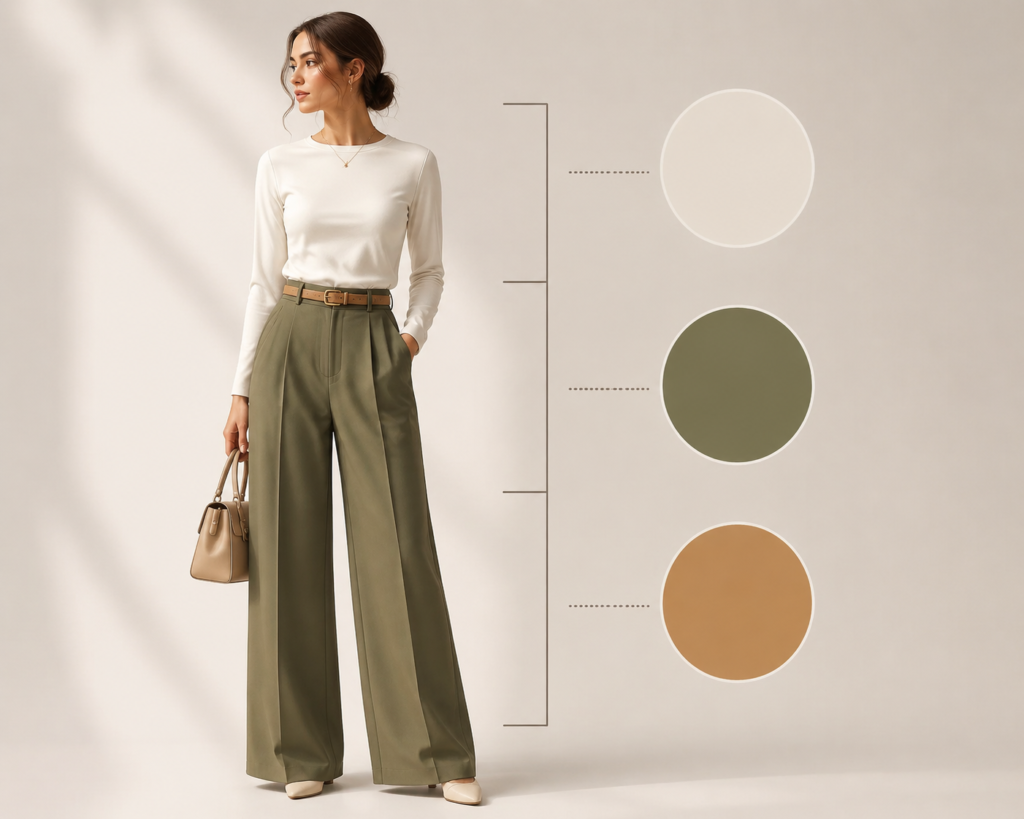
The 50-40-10 rule suggests that the proportions of your outfit should be divided into three sections:
- 50% Dominant Volume: This is the most significant part of your outfit, and it usually makes up the largest portion of your look. It’s the key element that draws attention first, such as a statement jacket or wide-legged pants.
- 40% Supporting Shape: These pieces help complement the dominant volume. They add structure and balance to your look, but don’t steal the spotlight. Think of items like fitted shirts or tailored pants.
- 10% Accent Detail: The finishing touch, these smaller details add personality to your look. This could be accessories like jewelry, scarves, or even a bold handbag that adds a pop of color.
I’ve been experimenting with this rule for a while now, and I’ve found it to be a great way to simplify outfit planning without sacrificing style.
Look 1: Top-Heavy Balance
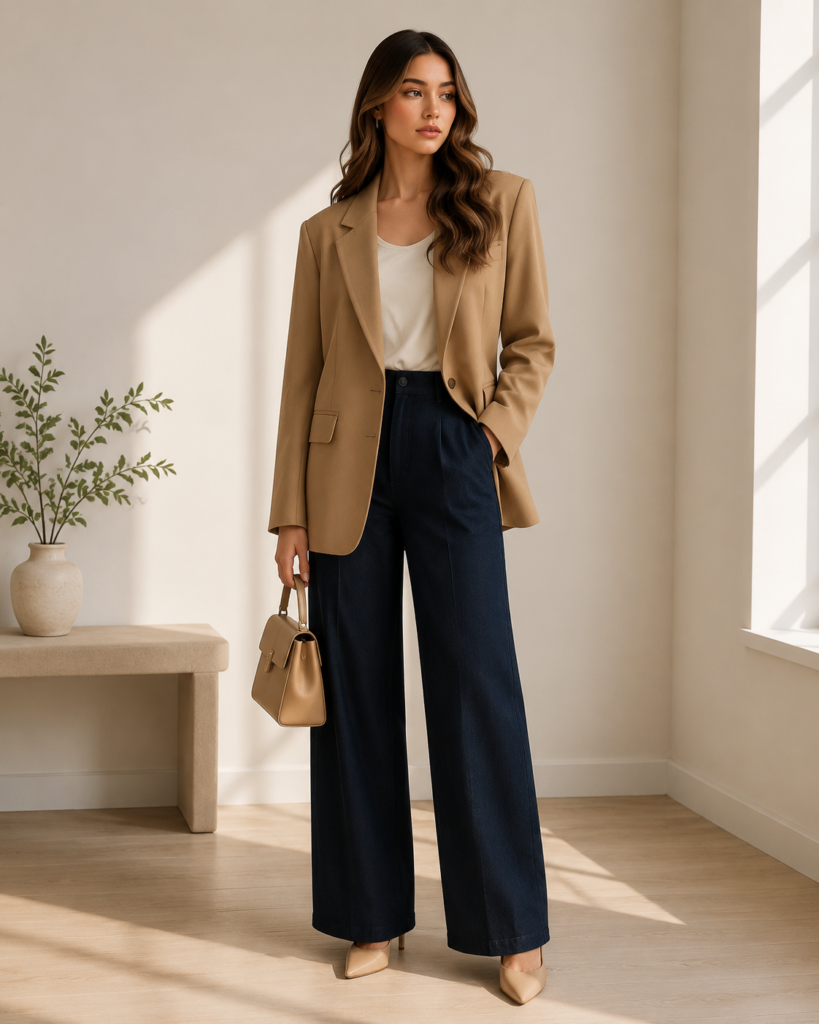
Dominant Volume: 50%
Supporting Shape: 40%
Accent Detail: 10%
This look is all about drawing attention to the top part of your body. It’s perfect for days when you want to focus on a stylish jacket or sweater.
Personally, I love using oversized blazers or statement tops in this type of outfit. Pairing these with fitted pants or skirts helps keep the focus on the upper half while maintaining a balanced silhouette.
For example, on a recent trip, I wore a large beige blazer over a white fitted turtleneck, paired with high-waisted trousers. It was simple but stylish.
The oversized blazer made up the dominant volume (50%), while the sleek trousers (40%) kept the look from feeling top-heavy.
A small, structured handbag (10%) added the perfect accent.
Tip: If you’re going for a top-heavy balance, make sure the rest of the outfit is streamlined to avoid looking too bulky.
This balance is great for colder weather when you need layers!
Look 2: Bottom-Heavy Balance
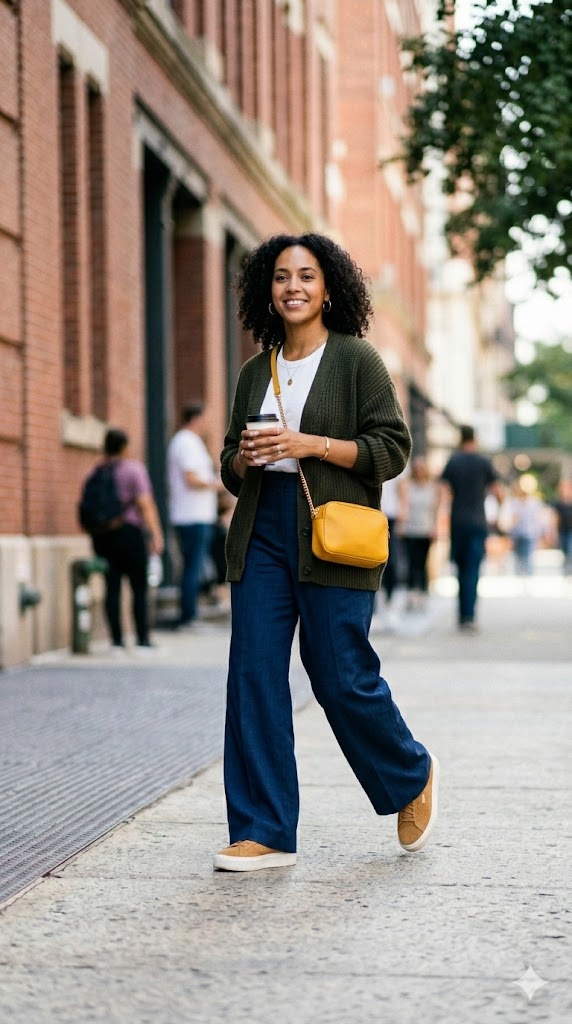
Dominant Volume: 50%
Supporting Shape: 40%
Accent Detail: 10%
If you want to add drama to your outfit, this balance is the one to try. The key here is to focus on the bottom half of your body.
Wide-leg pants or skirts are the best way to achieve this look. I’ve been really into wide-legged trousers lately, especially when they have a high waist, which elongates the legs and creates a powerful silhouette.
I wore this look recently at an event, pairing a white top (40% supporting shape) with olive-green wide trousers (50% dominant volume).
The outfit was simple, but the pants created a lot of drama, so I kept my accessories minimal.
A small, gold pendant necklace (10%) added just the right amount of detail without overwhelming the outfit.
Tip: Keep the top part of your outfit more fitted or structured, so the flowy bottoms can stand out.
If you’re unsure about how to balance this look, always pair it with a tucked-in top or a well-defined waist.
Look 3: Outerwear Balance
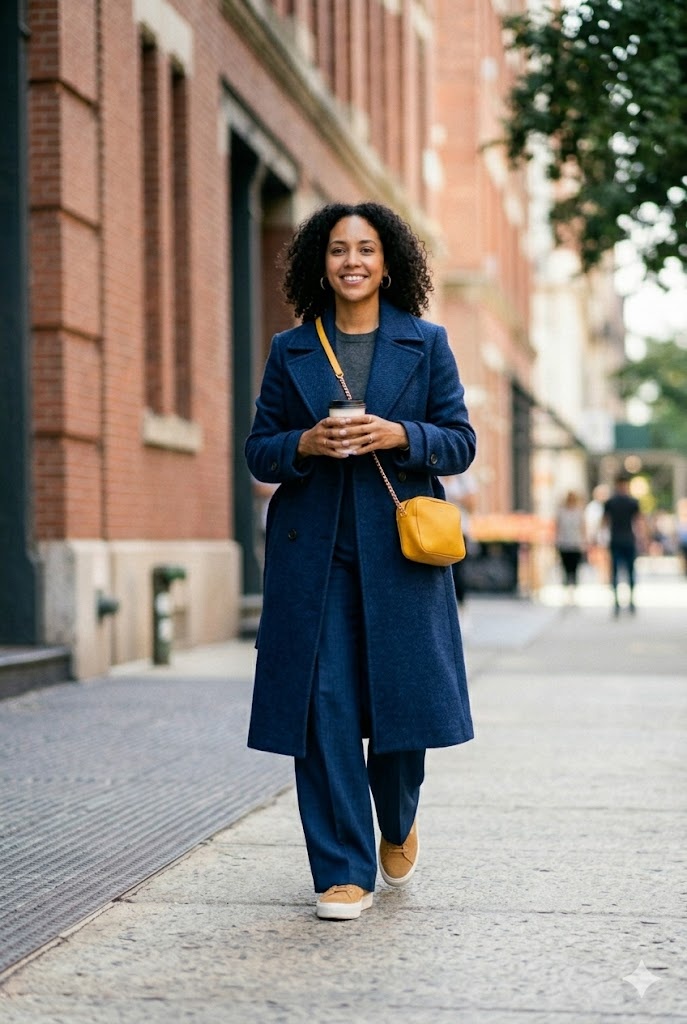
Dominant Volume: 50%
Supporting Shape: 40%
Accent Detail: 10%
I love this look because it’s perfect for transitional weather when you need something a little warmer, but still stylish.
The idea here is to let your outerwear, such as a trench coat or a cape, be the focal point. These pieces can be voluminous, but the trick is to balance them with more tailored elements underneath.
I wore this look the other day with a light blue trench coat (50% dominant volume), a simple beige sweater underneath (40% supporting shape), and a tiny crossbody bag (10%).
The result was chic and cozy; perfect for a brunch date.
Tip: Outerwear should always feel like the star of the show in this balance. When in doubt, keep your underlayers simple and let your coat or jacket shine.
And don’t forget to keep those accessories minimal yet striking!
Personal Tips for Styling with the 50-40-10 Rule
1. Experiment with Volume
Don’t be afraid to play around with volume in different areas. If you’re feeling bold, you can go for a mix of top-heavy and bottom-heavy styles by adjusting your proportions.
2. Use Accessories Wisely
The 10% accent detail is where you can get really creative! Whether it’s a pop of color in your shoes or a statement belt, this is where you can show off your personality without overwhelming the look.
3. Consider Your Body Shape
While the 50-40-10 rule works for everyone, it’s especially helpful to keep in mind your natural proportions.
For example, if you’re tall, you might want to go for an overall balanced look. Shorter frames may benefit from adding more volume to the top or bottom to create the illusion of height.
4. Don’t Overthink It
The key to the 50-40-10 rule is to create visual harmony. Once you get the hang of it, it becomes second nature.
I’ve found that most of my best looks come from spontaneous combinations that adhere to this simple structure.
Final Thoughts
Mastering the 50-40-10 silhouette balance is a game-changer for anyone looking to elevate their personal style.
I’ve personally used this rule to create some of my most polished outfits, and it’s helped me feel more confident in what I wear.
Whether you’re aiming for a top-heavy balance, bottom-heavy drama, or the elegance of outerwear, this rule provides a simple but effective way to ensure that your outfits are flattering and well-balanced.
Remember, fashion is about expressing yourself. Play around with proportions, find what makes you feel good, and don’t be afraid to mix things up.
I know I’m constantly experimenting with my wardrobe to create fresh, exciting looks using this rule!