
Layering is one of the most effective ways to improve your outfit without buying new clothes. It helps you stay comfortable in changing temperatures while also making your look more styled and intentional.
However, many people either overdo layering or keep it too simple, missing the opportunity to enhance their overall appearance.
The key to good layering is not adding more pieces, but combining them in a smart and balanced way. The image you shared highlights 11 practical layering ideas that are easy to apply in everyday outfits.
Each one focuses on improving structure, adding dimension, and making your look more put together.
This article explains each layering trick clearly, along with useful tips so you can apply them immediately.
Contents
- 1. Layer a Turtleneck Under Your Button-Down
- 2. Pair Cropped Cardigans with Long Blouses
- 3. Use Lightweight Vests Between Sweaters and Coats
- 4. Add a Structured Blazer Over a Hoodie
- 5. Drape a Wool Scarf Like a Shawl
- 6. Belt Your Outer Layer
- 7. Let a Collared Shirt Peek Under a Sweater Dress
- 8. Layer Tone-on-Tone Neutrals
- 9. Use Long Sleeve Bodysuits as Base (Warm) Layers
- 10. Try Thin Thermals Under Wide-Leg Trousers
- 11. Finish Every Look with One Intentional Accessory
- How to Avoid Common Layering Mistakes?
- Practical Layering Tips for Everyday Use
- Final Thought
1. Layer a Turtleneck Under Your Button-Down
Wearing a turtleneck under a button-down shirt is a simple way to add warmth while creating a clean and structured look. This combination works well in cooler weather and gives your outfit a more refined appearance.
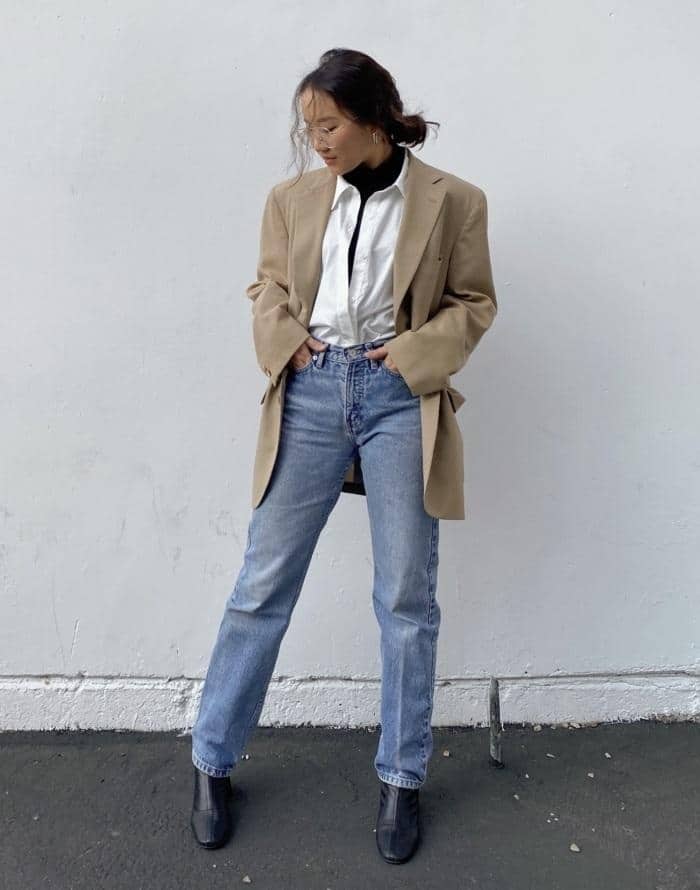
The turtleneck adds a base layer that keeps you warm, while the button-down maintains a polished outer look.
Useful tips:
- Choose a fitted turtleneck to avoid bulk
- Stick to neutral colors for easy pairing
- Leave a few top buttons open for a relaxed style
2. Pair Cropped Cardigans with Long Blouses
Cropped cardigans work best when paired with longer tops underneath. This creates contrast in length and adds visual interest without making the outfit feel heavy.
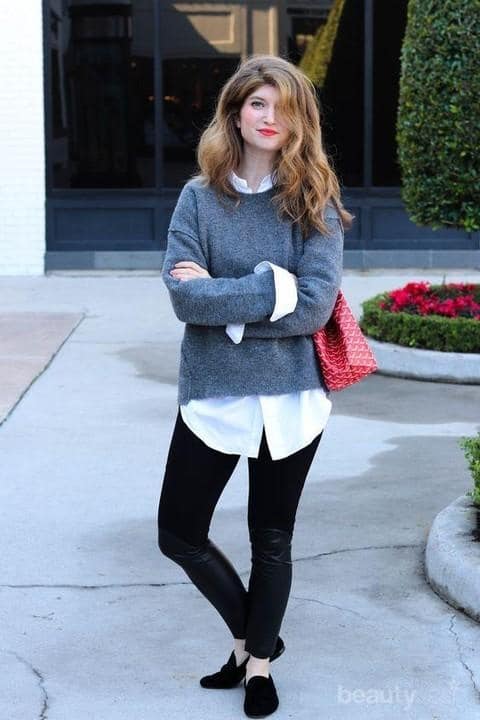
The shorter outer layer highlights your waist, while the longer blouse keeps the look balanced.
Useful tips:
- Make sure the blouse extends slightly below the cardigan
- Avoid oversized pieces that hide your shape
- Choose soft fabrics for better layering comfort
3. Use Lightweight Vests Between Sweaters and Coats
Adding a lightweight vest between your sweater and coat gives you an extra layer of warmth without adding too much bulk. It also creates a more structured look, especially in colder seasons.
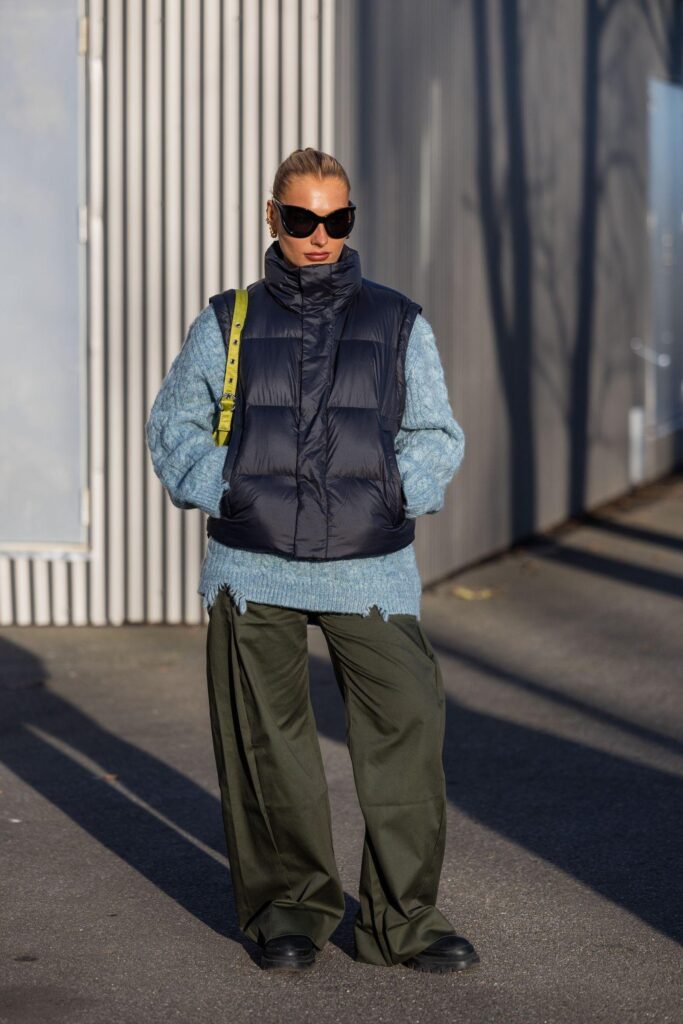
This technique is useful when you need flexibility throughout the day.
Useful tips:
- Choose thin, insulated vests for comfort
- Keep colors consistent for a clean look
- Avoid bulky vests that disrupt your silhouette
4. Add a Structured Blazer Over a Hoodie
Combining a casual hoodie with a structured blazer creates a balanced outfit that feels both relaxed and polished. This mix works well for casual outings or smart-casual settings.
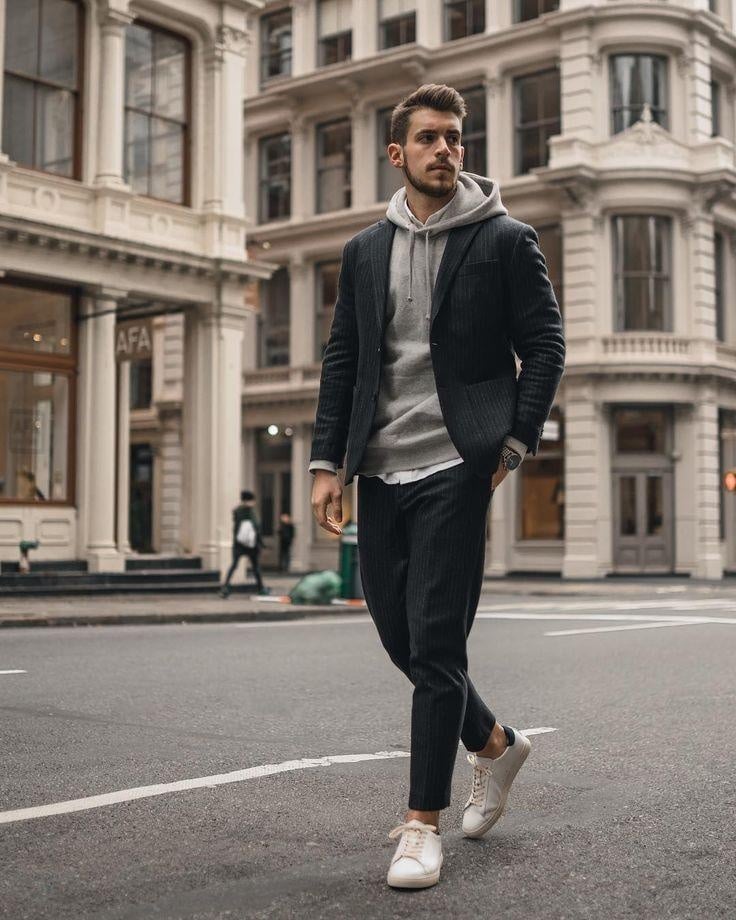
The blazer sharpens the look, while the hoodie keeps it comfortable.
Useful tips:
- Choose a fitted blazer to maintain structure
- Keep the hoodie simple without heavy graphics
- Neutral colors work best for this combination
5. Drape a Wool Scarf Like a Shawl
Instead of wrapping your scarf tightly, draping it across your shoulders creates a more relaxed and elevated look. It also adds warmth without hiding your outfit.
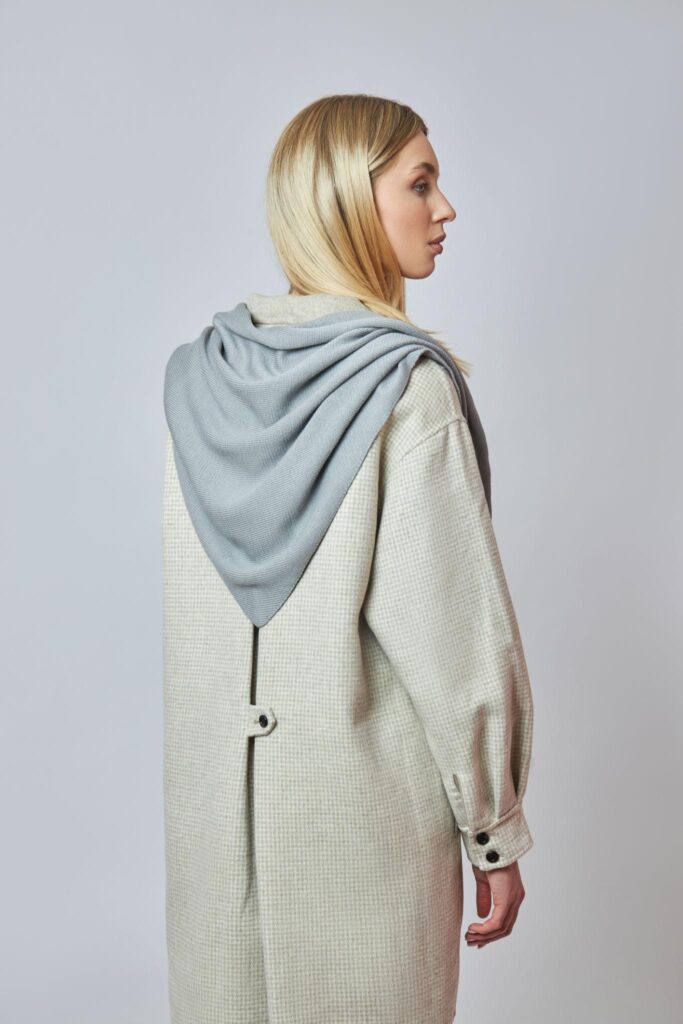
This styling method works especially well with coats and blazers.
Useful tips:
- Choose medium-weight scarves for better drape
- Avoid overly long scarves that look messy
- Keep the folds clean and simple
6. Belt Your Outer Layer
Adding a belt over your coat or blazer helps define your waist and prevents your outfit from looking too loose. This is especially useful when wearing oversized outerwear.
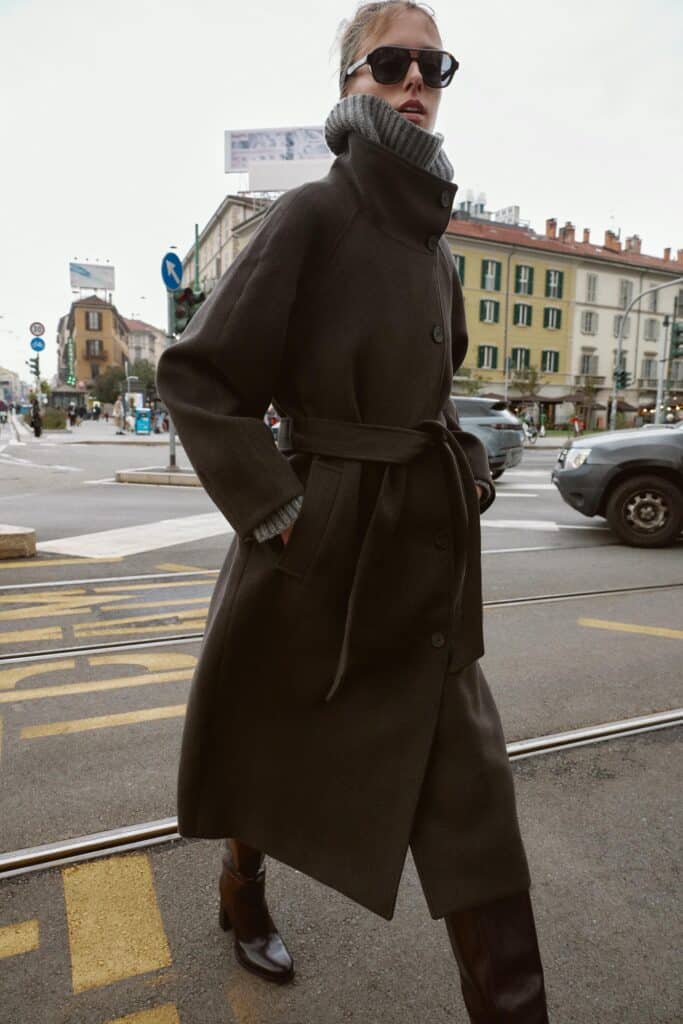
It creates a more structured and flattering silhouette.
Useful tips:
- Use a medium-width belt for balance
- Match the belt color with your outfit tones
- Avoid placing the belt too high or too low
7. Let a Collared Shirt Peek Under a Sweater Dress
Layering a collared shirt under a sweater dress adds detail without making the outfit complicated. The visible collar creates a clean and styled appearance.
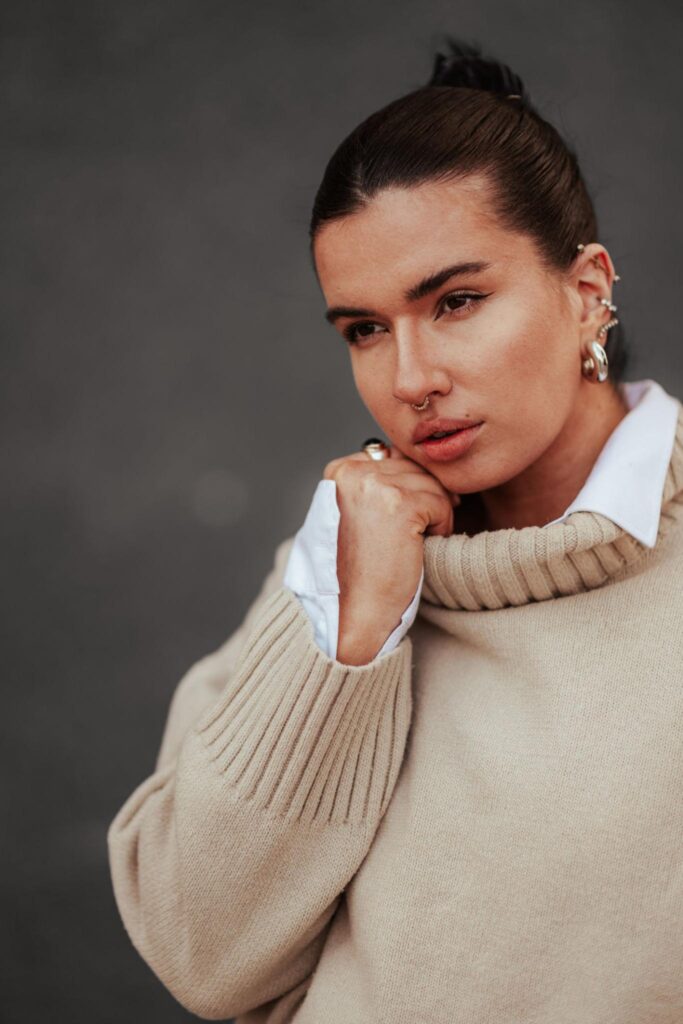
This technique works well for both casual and semi-formal looks.
Useful tips:
- Choose crisp collars that hold their shape
- Keep the shirt fitted to avoid bulk
- Stick to neutral or classic colors
8. Layer Tone-on-Tone Neutrals
Wearing similar shades in one outfit creates a cohesive and polished look. Tone-on-tone layering adds depth without relying on strong contrasts.
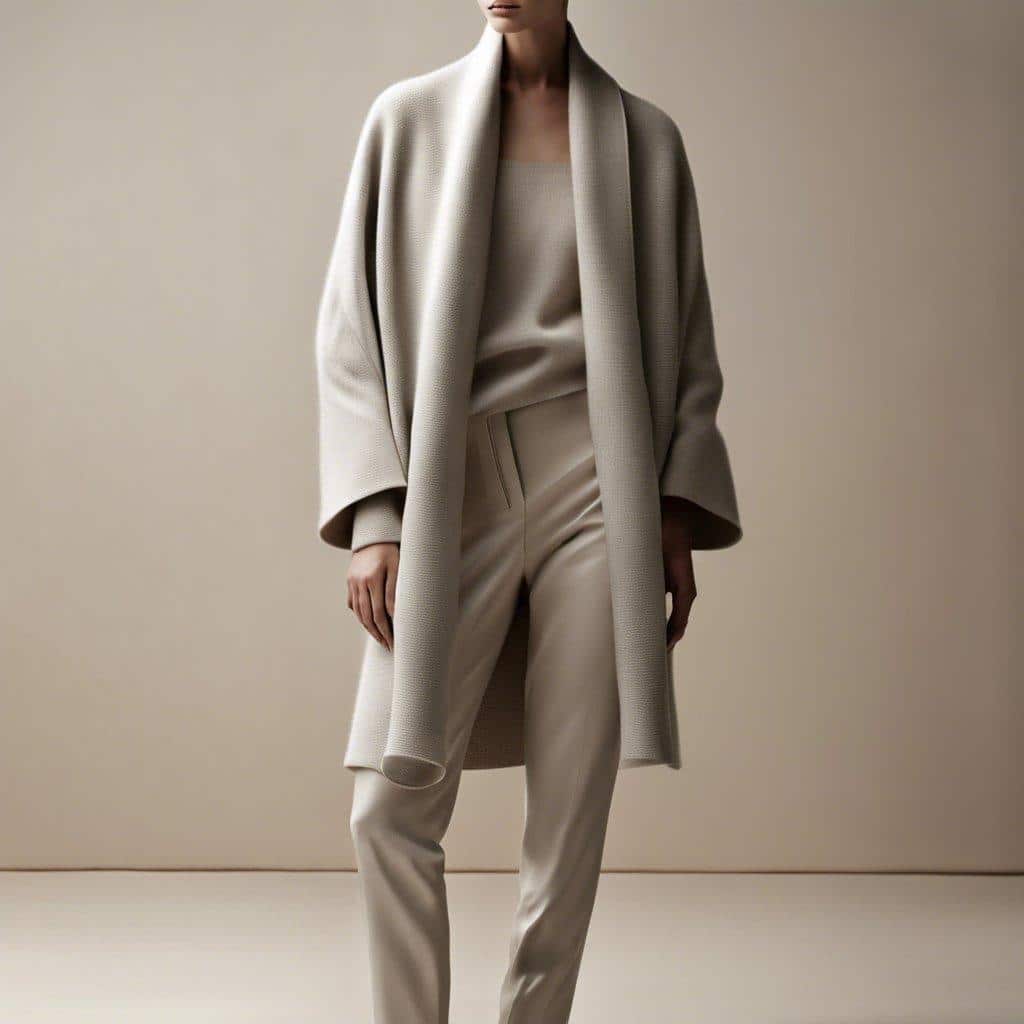
This approach is simple but very effective.
Useful tips:
- Mix textures to avoid a flat look
- Use slightly different shades for dimension
- Keep accessories minimal
9. Use Long Sleeve Bodysuits as Base (Warm) Layers
Long sleeve bodysuits are ideal as base layers because they stay in place and create a smooth foundation for your outfit. They provide warmth without adding extra bulk.
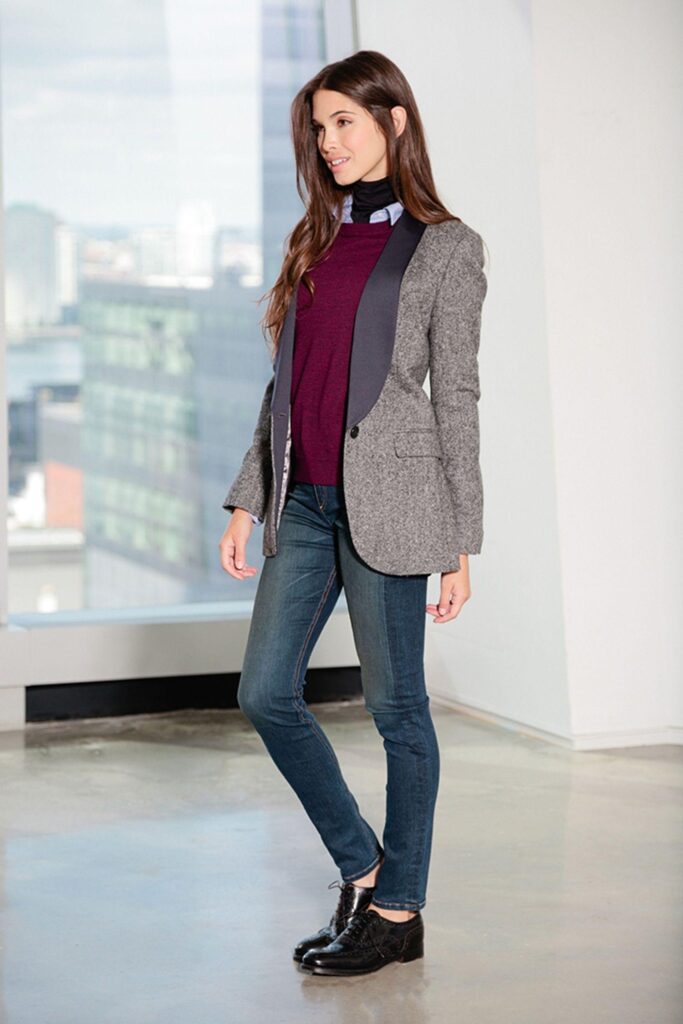
This makes them perfect for layering under shirts, dresses, or sweaters.
Useful tips:
- Choose breathable fabrics for comfort
- Stick to neutral colors for versatility
- Avoid thick materials that restrict movement
10. Try Thin Thermals Under Wide-Leg Trousers
Thin thermal layers are a practical way to stay warm without changing the look of your outfit. They are especially useful when wearing wide-leg trousers, where layering is less noticeable.
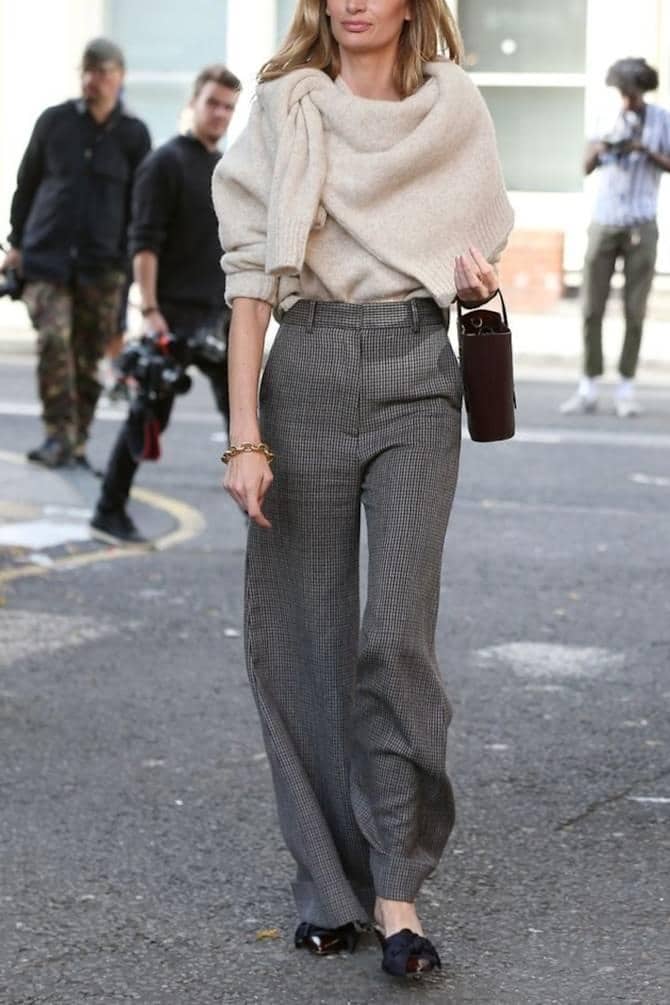
This trick is ideal for colder weather.
Useful tips:
- Choose lightweight thermals for comfort
- Make sure they fit close to the body
- Avoid thick layers that affect the fit of your trousers
11. Finish Every Look with One Intentional Accessory
Layering is not complete without a final touch. Adding one intentional accessory helps tie your outfit together and makes it look more styled.
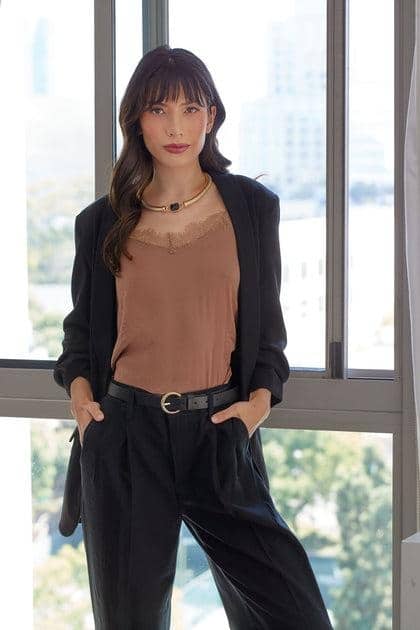
This could be a belt, bag, scarf, or simple jewelry.
Useful tips:
- Choose one statement piece instead of many
- Match the accessory with your outfit tones
- Keep it simple and purposeful
How to Avoid Common Layering Mistakes?
While layering is helpful, doing it incorrectly can make your outfit look bulky or unbalanced.
Avoid these mistakes:
- Wearing too many thick layers at once
- Mixing too many colors without a clear direction
- Ignoring fit and proportion
- Choosing fabrics that do not work well together
Quick tip:
If your outfit feels too heavy, remove one layer. Simplicity often looks better.
Practical Layering Tips for Everyday Use
Layering should make your life easier, not more complicated. Focus on simple combinations that you can repeat with different pieces.
- Start with a light base layer
- Add one or two structured pieces
- Keep outer layers clean and fitted
- Choose versatile items that work with multiple outfits
This approach saves time and ensures your outfits always look intentional.
Final Thought
Layering is one of the easiest ways to upgrade your style without changing your wardrobe. By using the right combinations, you can create outfits that are both practical and visually balanced.
The 11 layering tricks in this guide show that small changes can make a big difference. Whether it is adding a turtleneck under a shirt, using a belt to define your shape, or choosing tone-on-tone colors, each technique helps improve your overall look.
Once you understand how to layer properly, getting dressed becomes faster and more effective. You no longer need to guess what works.
Instead, you can confidently build outfits that look clean, comfortable, and well put together every day.