
I used to think looking put together was about buying better clothes. More expensive pieces, trendier styles, or copying outfits I saw online. But honestly, none of that worked consistently.
Sometimes I looked great, other times something felt off, even when the outfit itself was nice.
Then I realized something simple but powerful. It is not about the clothes alone. It is about how you wear them and how they interact with your body shape.
The image above says it clearly. Small changes like neckline, fit, and proportions can completely change how your body looks.
I have personally tested this, and once I started paying attention to these details, my outfits started working for me instead of against me.
Contents
Why Small Styling Details Make a Huge Difference
Before I dive into the do and don’t examples, I want to explain why these small details matter so much. Because at first, it might seem like something minor.
A neckline? Tucking a shirt? Choosing a different shoe height?
But visually, these details guide the eye. They either create balance or break it.
When I wore outfits without thinking about proportion, my body looked shorter, wider, or less defined.
Not because of my body, but because the outfit was cutting my shape in the wrong places.
Once I understood this, I stopped blaming my body and started adjusting the styling.
That shift changed everything.
DO
One of the first things I noticed in the “DO” side is the open neckline. It may look simple, but it makes a huge difference.
When I wear tops with a V neck or a slightly open collar, it creates vertical space around the chest and neck area.
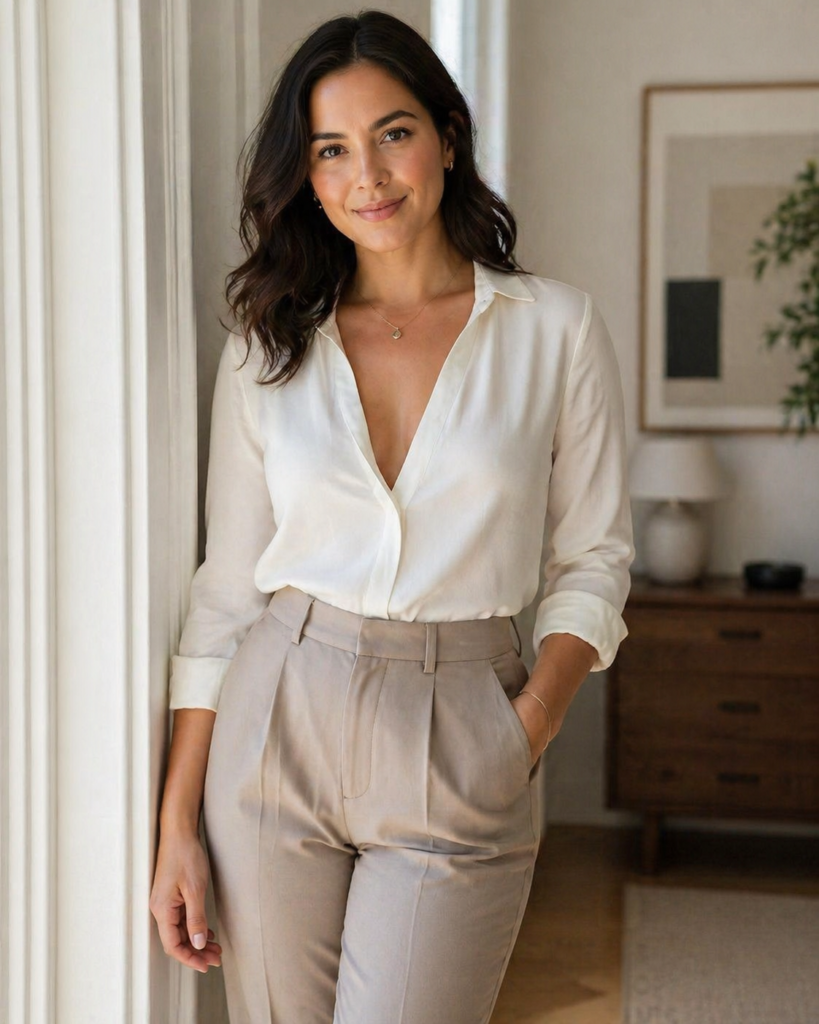
This naturally elongates the upper body and makes everything feel lighter and more balanced.
I used to wear a lot of closed neck tops because they felt safe. But they actually made my upper body look more compact and sometimes wider than it really is.
Switching to open necklines immediately made my outfits look more refined without trying too hard.
Personal tip:
If you are not comfortable with deep necklines, even a small opening or soft collar works. It is not about showing more skin, it is about creating visual space.
DON’T
On the “DON’T” side, the crew neck top stands out. I still wear them sometimes, but I am much more intentional now.
Crew necks sit high on the neck and create a horizontal line across your upper body.
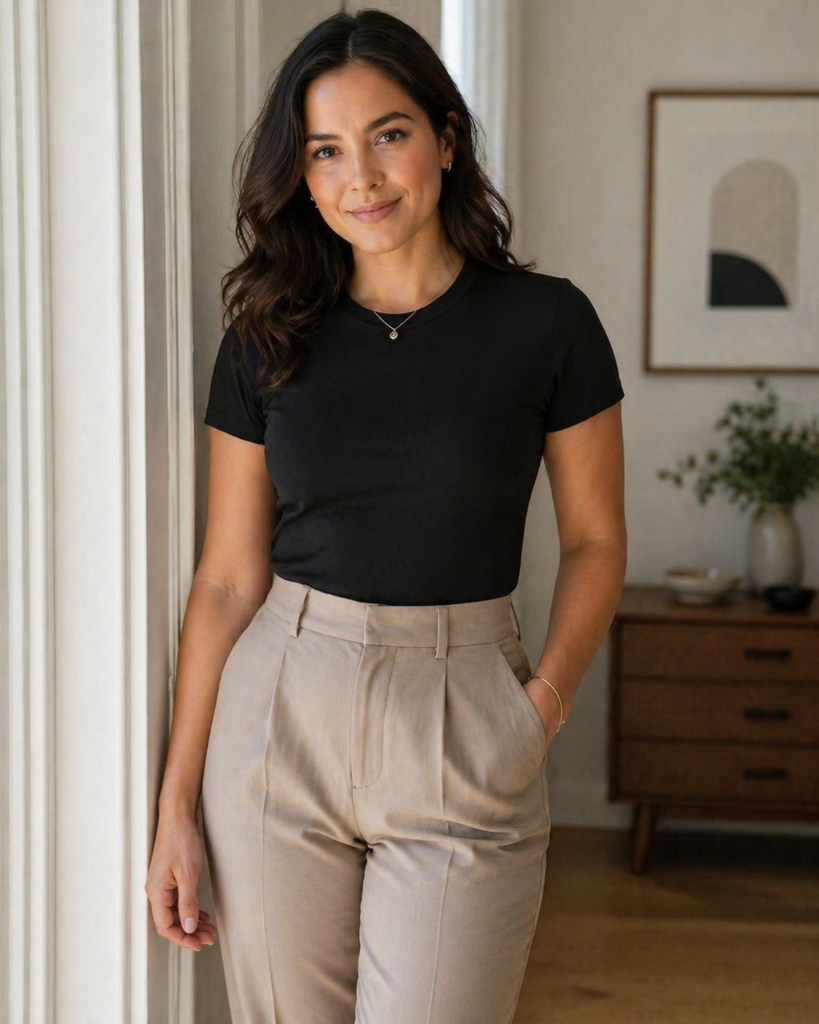
If the rest of your outfit is also straight or boxy, it can make your shape look more flat and less defined.
I learned this the hard way after wearing a simple t shirt with straight pants and wondering why everything looked a bit off.
Now I balance it. If I wear a crew neck, I make sure something else adds shape, like a fitted waist or a structured jacket.
Personal tip:
Crew necks are not bad. Just avoid pairing them with overly loose or shapeless bottoms if you want a more flattering look.
DO
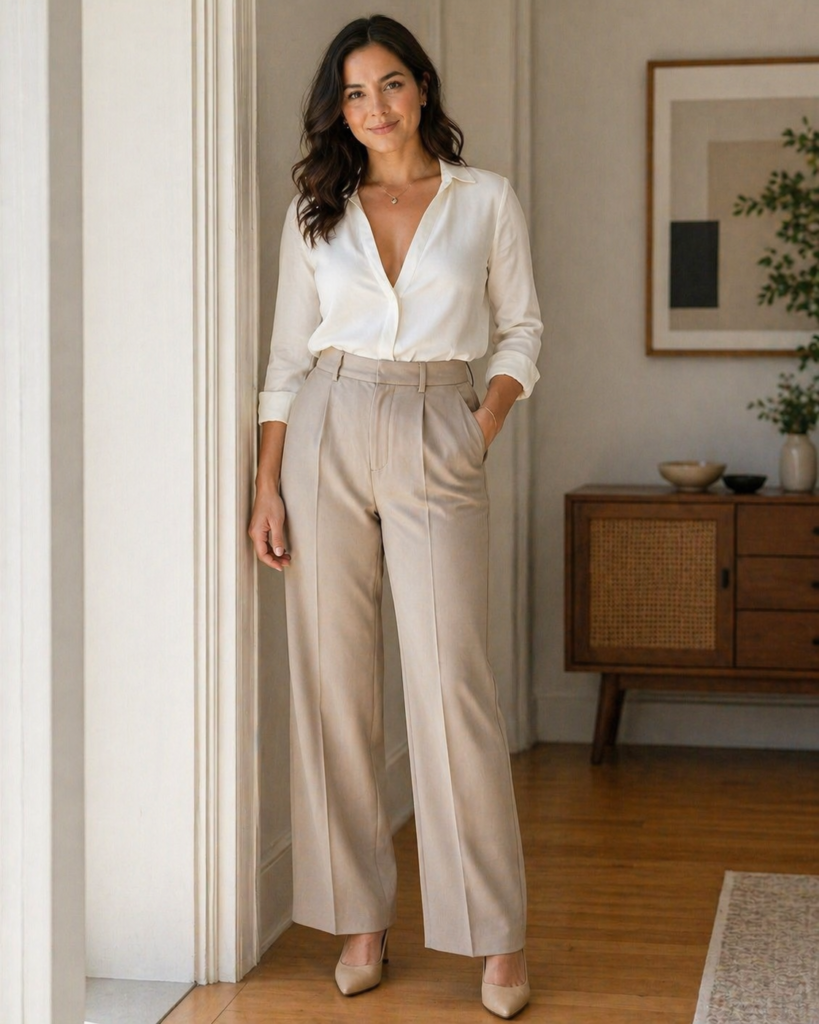
This is probably one of my favorite styling tricks. High rise pants with a soft, drapey fabric are incredibly flattering.
When I switched from mid rise to high rise, I immediately noticed how my legs looked longer. It visually lifts the waistline and creates a better proportion between the upper and lower body.
The drapey fabric also helps because it flows instead of clinging. It smooths out the silhouette and gives a more relaxed, elegant feel.
I now choose high rise pants almost every time, especially when I want a clean and put together look.
Personal tip:
Look for fabrics that move when you walk. If it feels stiff or too tight, it will not create the same flattering effect.
DON’T
Cropped pants are everywhere, and I used to wear them all the time without thinking. But after comparing outfits, I realized they can shorten the appearance of your legs if not styled carefully.
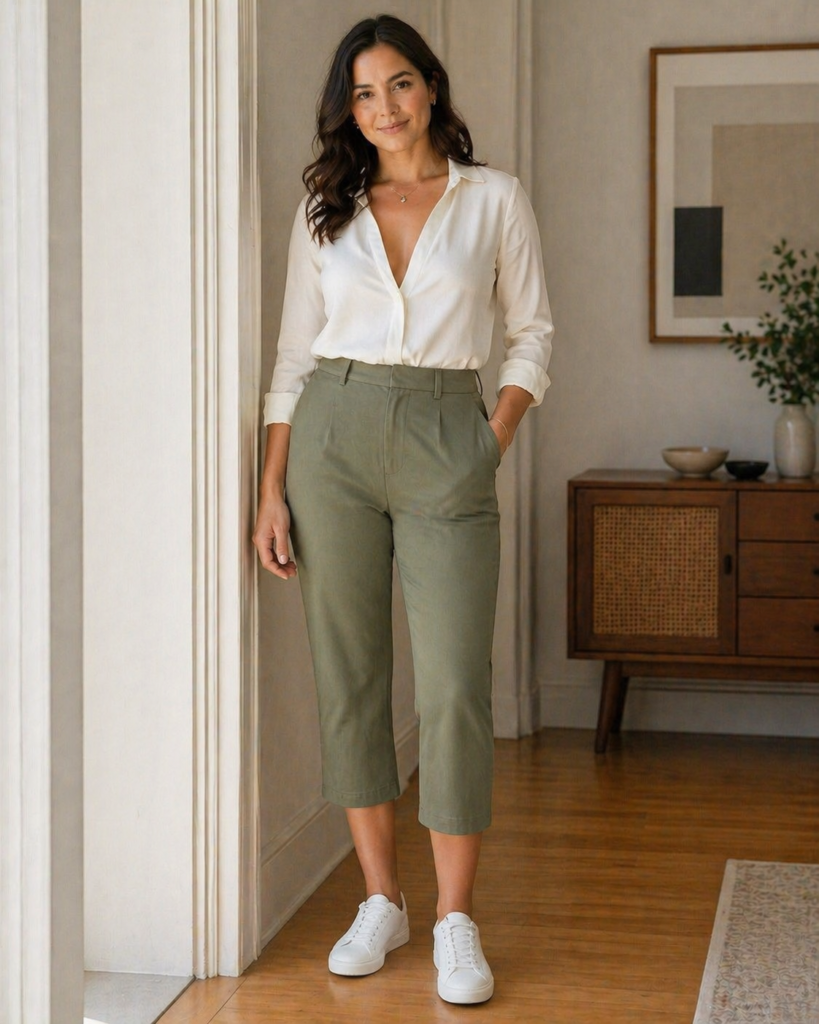
In the image, you can see how the cropped pants create a break at the lower leg. That horizontal line interrupts the natural length of the leg.
Now, I am more selective.
I either go for full length pants or make sure the cropped version is balanced with the right shoes and fit.
Personal tip:
If you love cropped pants, pair them with shoes that match your skin tone or have a low profile. This helps keep the leg line visually longer.
DO
This is a subtle trick, but it works every time. On the “DO” side, the shoes blend well with the overall outfit.
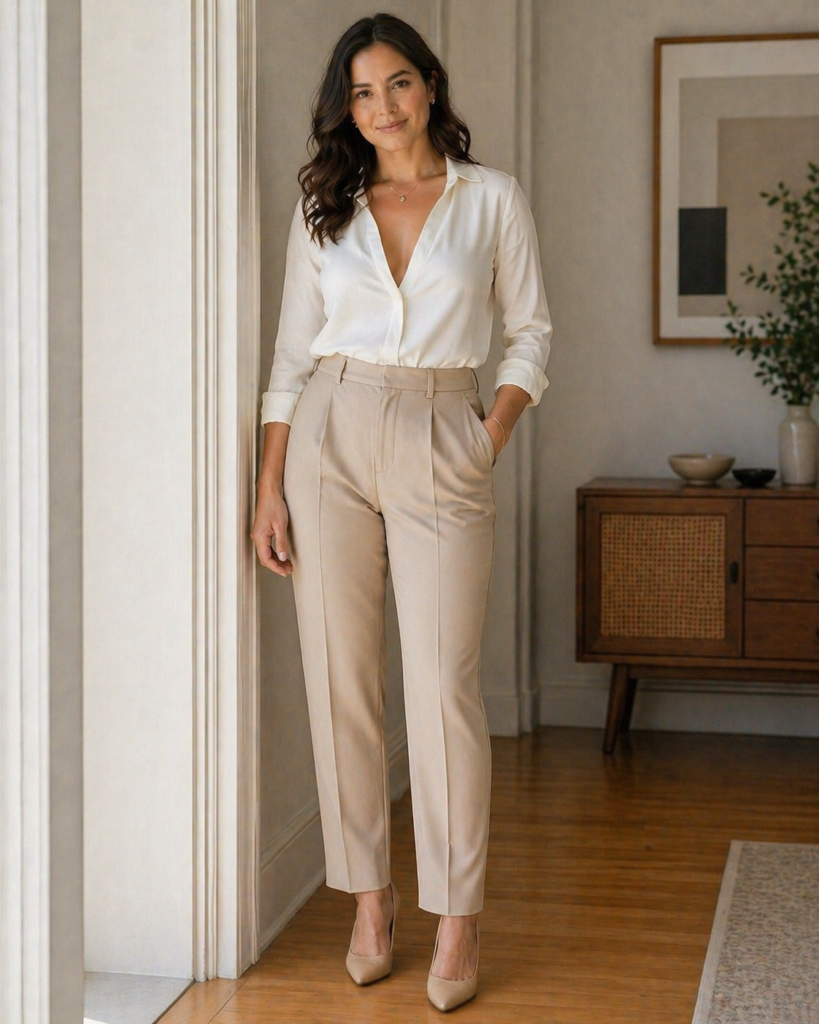
When shoes match or are close in color to your pants or skin tone, they create a continuous line.
This makes your legs look longer and your outfit more cohesive.
I used to wear contrasting shoes without thinking, and sometimes it worked, but often it cut the outfit in a way that felt disconnected.
Now I choose shoes that flow with the outfit rather than interrupt it.
Personal tip:
Neutral shoes are the easiest way to achieve this. Beige, nude, or soft tones are very versatile.
DON’T
On the “DON’T” side, the contrast between the top, pants, and shoes is stronger. This creates multiple visual breaks across the body.
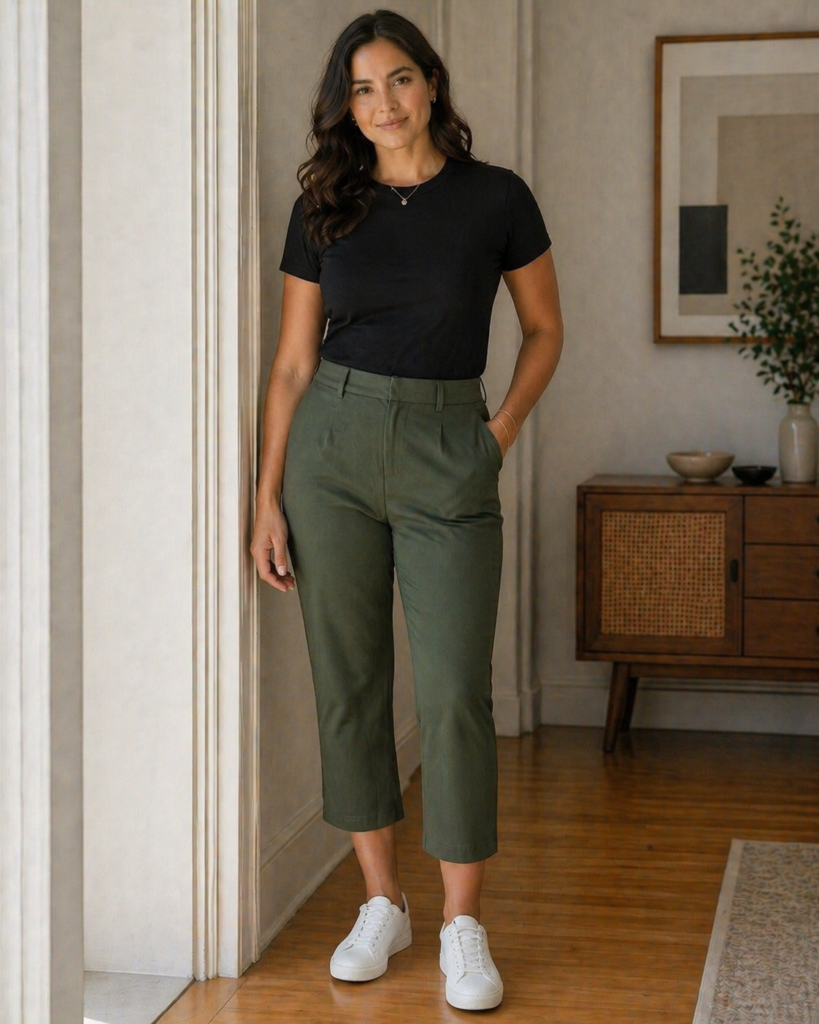
Each break shortens the overall silhouette. Instead of one smooth line, your body is divided into sections.
I still play with contrast sometimes, but I do it intentionally.
When I want a more flattering and lengthened look, I keep the tones more cohesive.
Personal tip:
If you wear contrasting colors, try to keep at least one area continuous, like matching your shoes with your pants.
The Power of Tucking Your Top
One of the biggest differences between the two looks is the tucked versus untucked top. This is something I underestimated for a long time.
When I leave my top untucked, it often hides my waist completely. This makes my body look more straight and less defined.
But when I tuck it in, even slightly, it instantly creates shape. It shows where my waist is and improves the overall proportion of the outfit.
Now I almost always do a front tuck or a full tuck depending on the look I want.
Personal tip:
If a full tuck feels too formal, try a half tuck. It gives structure without looking too styled.
What I Learned from Wearing Both Styles?
I have worn both versions of these outfits. The “DO” and the “DON’T”. And the truth is, it is not about one being right and the other being wrong.
It is about intention.
When I dressed without thinking, I often ended up with the “DON’T” version. Not because it was bad, but because it did not highlight my body in the best way.
When I started making small adjustments like neckline, waist definition, and proportion, my outfits felt more balanced and confident.
And the best part is, I did not need new clothes. I just styled what I already had differently.
Final Thoughts
Fashion became so much easier when I stopped chasing trends and started understanding my own proportions.
Now, every time I get dressed, I ask myself simple questions.
Does this create shape?
Does this elongate my body?
Does this feel balanced?
If the answer is yes, I know I am on the right track.
You do not need a completely new wardrobe to look better. Sometimes, all it takes is one small change.
And once you see the difference, you cannot unsee it.