

When Taylor Swift made a surprise donation of $100,000 to support 2-year-old Lilah Smoot in her battle with stage 4 brain cancer, it seemed like a clearly generous act. According to the GoFundMe for Lilah’s treatment, the toddler, who suffered a seizure at just 18 months, was later diagnosed with a rare aggressive form of brain cancer—only 58 known cases in the U.S. last year.
Lilah’s mother, Katelynn Smoot, had been posting updates and a viral TikTok video showing Lilah calling Taylor “my friend” while watching her music videos. After that, Taylor left a message on the donation page: “Sending the biggest hug to my friend, Lilah! Love, Taylor.”
On Friday, October 17, 2025, Taylor donated via GoFundMe and the donation pushed the family past their $100,000 fundraising goal by nearly $60,000. Katelynn shared a video of her daughter dancing to Taylor’s track “The Fate of Ophelia,” captioning it with, “Is this real life? Thank you so so much @taylorswift.”

Behind the scenes the tone was intimate. In family-shared clips Lilah and Katelynn are seen dancing while Lilah mouths “Taylor” and waves. Katelynn joked in the TikTok caption that “this might be my fault” since she listened to Taylor during her pregnancy and then birthed a “mini Swiftie.” That casual remark amplified how personal the connection felt.
But just because the act was kind doesn’t mean the response was unanimous. Online forums and comment threads erupted with mixed feelings.

One user wrote, “I’m so happy for Lilah but it kills me that this is how we fund life-saving treatment.” Another said, “Taylor did a great thing but why do we rely on celebrity donations instead of systemic healthcare?”
Some fashion editors framed the donation as a smart move timed with the peak of Taylor’s visibility—they pointed out that this donation comes just after her new album drop and amid speculation about her business and personal life. For them the question wasn’t whether the act was good—it was whether it was strategically placed.
Taylor herself did not publicly address media questions about her motives, but the message she left did carry emotional weight. By calling Lilah “my friend” and writing “biggest hug,” she added a personal touch that often gets lost in celebrity philanthropy. The optics of a star interacting with a fan in crisis added another layer. Still, some tilt the scale toward PR. A social-media commenter asked: “Is it charity or content?”
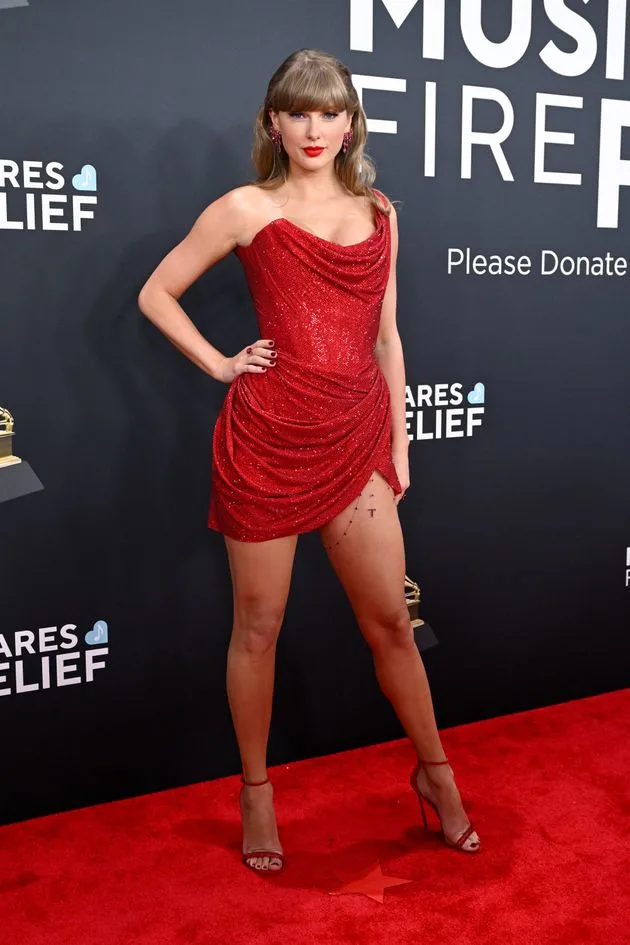
There’s also the broader context of Taylor’s known generosity. Past donations to food banks, disaster relief and hospital patients are documented. So for many fans this felt consistent with her persona of giving. Yet others argue that the need for such fundraising campaigns in the first place highlights flaws in the system. “It’s great she stepped up,” one Reddit user wrote, “but the fact a toddler had to rely on viral attention to get help makes me angry.”
Looking at Lilah’s case specifically most find the donation inevitable once her story surfaced. The severe rarity of her diagnosis, the public TikTok post of her daughter calling Taylor a friend, and the family’s online fundraising created a perfect alignment for a big-name celebrity to step in.
The underlying coincidence raises questions about which stories get help and which do not. Critics say many children never go viral and remain invisible.
In the end the spotlight kept the conversation going. News outlets quickly picked up the story. Fans shared the post widely under hashtags like #StandWithLilah. It became more than a story about one act of generosity—it turned into a wider commentary on how fame, money and illness intersect in the digital age.

Whether you see Taylor’s donation as a heartfelt lifeline or a calculated gesture, the effect was undeniable.
Lilah’s family said they could now focus purely on being together with their daughter rather than worrying about how to pay the bills. That shift matters. Katelynn said in the video, “We just get to be here with our girl. Truly we are so incredibly grateful.”