
I used to think my problem with outfits was that I didn’t have enough clothes.
But honestly, that wasn’t it.
I had good pieces (neutral basics, nice coats, decent accessories) but somehow, when I put them together, the outfit just felt… incomplete. Not bad, just not right. Something always looked slightly off, and I couldn’t explain why.
There were days when I would change outfits multiple times, not because I didn’t like what I owned, but because I couldn’t figure out what was missing. And that feeling can be frustrating, especially when everything in your wardrobe should technically work.
That changed when I discovered the 60-30-10 rule.
It wasn’t a trend. It wasn’t about buying new clothes. It was just a simple way of organizing colors, and surprisingly, it made my outfits look instantly more balanced and intentional.
Now, I use this rule almost without thinking.
Contents
- What I Realized About “Good Outfits”?
- Understanding the 60-30-10 Rule (The Simple Way I Use It)
- How Do I Actually Apply It When Getting Dressed?
- The Three Color Directions I Keep Repeating
- The Biggest Styling Mistakes I Used to Make
- How This Rule Changed My Closet (Without Buying More Clothes)?
- My Personal Shortcut (What I Do Now Without Thinking)
- Final Thoughts
What I Realized About “Good Outfits”?
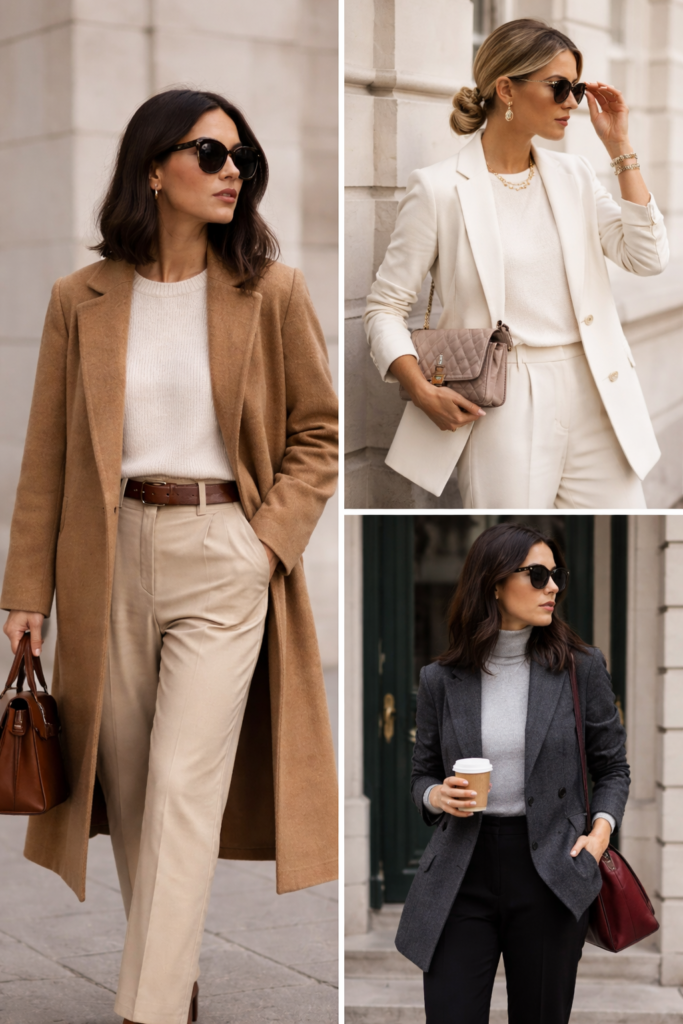
Before I understood this concept, I thought style came from:
- Expensive pieces
- Trendy items
- Following what everyone else was wearing
But after trying and repeating outfits over time, I realized something different. The outfits that actually worked weren’t necessarily the newest or the most expensive ones, they were the ones that felt balanced when I looked at them.
Sometimes, I couldn’t explain why an outfit worked, but I knew it did. And other times, even with better clothes, something still felt off. That’s when I started paying attention to patterns in my own outfits.
The outfits that actually worked always had:
- A clear main color
- A supporting color that didn’t compete
- A small detail that made everything feel complete
I just didn’t have a name for it back then.
That’s exactly what the 60-30-10 rule explains.
Understanding the 60-30-10 Rule (The Simple Way I Use It)
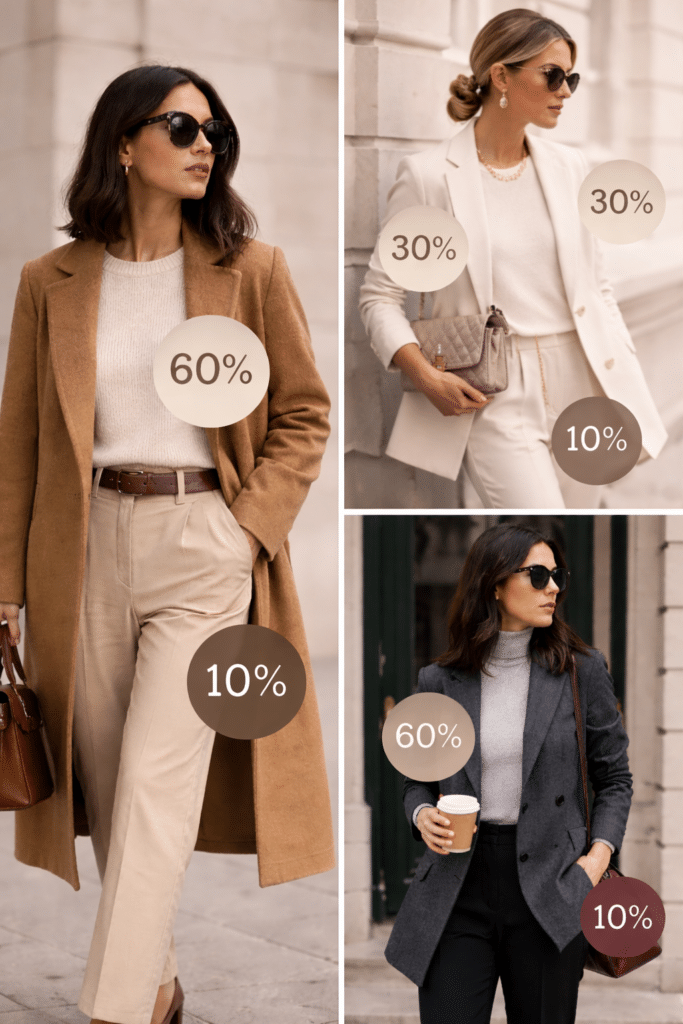
When I first heard about the 60-30-10 rule, I thought it sounded a bit technical. I imagined I had to measure everything precisely or overthink my outfit choices. But in reality, it’s much simpler than that.
Instead of thinking in percentages literally, I think of it like this:
- 60% = The base of your outfit (what people see first)
- 30% = The layer that supports and adds dimension
- 10% = The detail that finishes everything
It’s less about math and more about visual balance. Once I stopped trying to calculate and started observing, it became second nature.
When I started using it this way, styling became much easier, and faster.
How Do I Actually Apply It When Getting Dressed?
Over time, I realized that the biggest difference wasn’t knowing the rule, it was knowing how to apply it without overthinking. I didn’t want dressing up to feel like a task. I wanted it to feel natural.
So instead of analyzing every outfit, I created a simple process that I could follow every day. It helps me get dressed quickly while still looking put together.
Step 1: I Pick the “Anchor” Piece
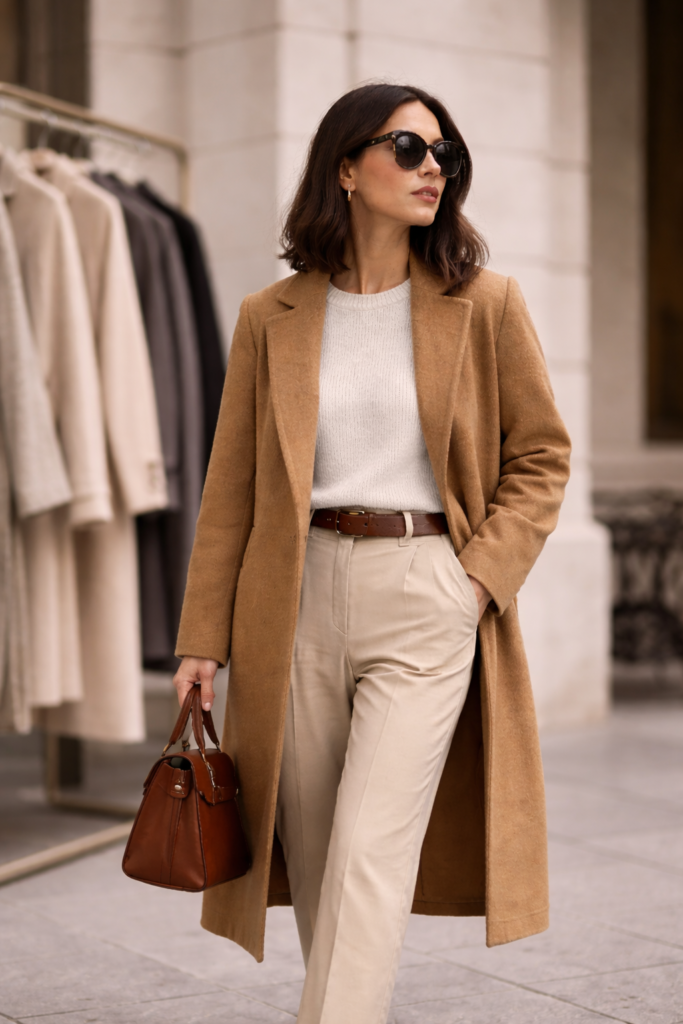
This is always the biggest or most dominant item. It’s the piece that sets the tone for the entire outfit.
- A coat
- A suit
- A pair of trousers
- Sometimes even a dress
This becomes my 60% automatically.
For example, when I wear a camel coat, I already know that color will dominate the entire outfit, so everything else needs to work around it.
Step 2: I Add a Supporting Color That Feels Natural
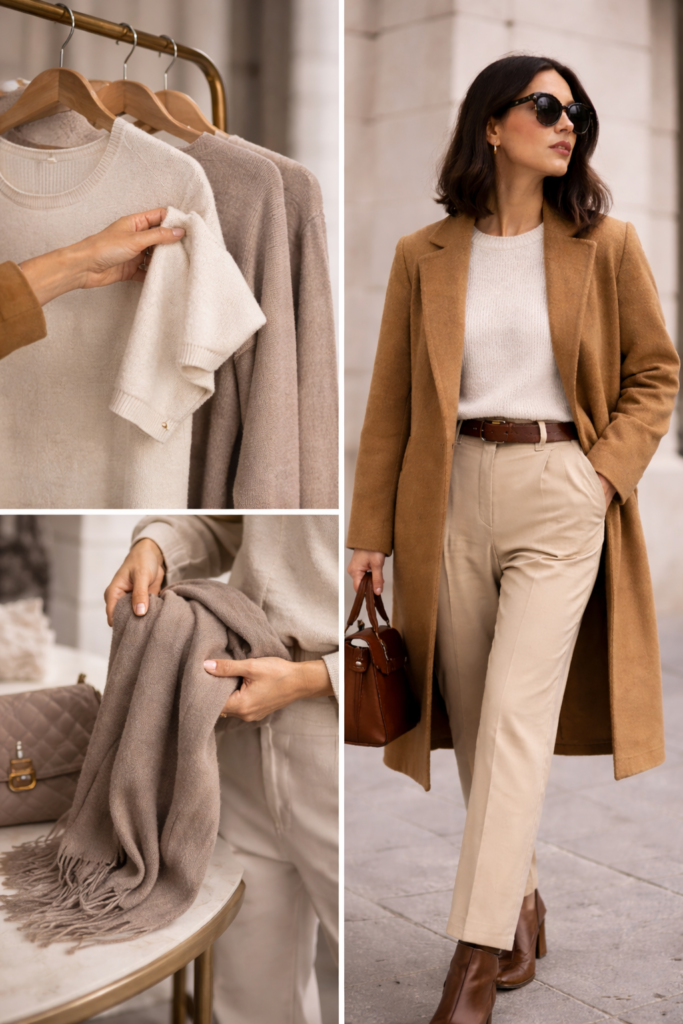
This step is where I used to struggle the most. I often chose colors that either blended too much or clashed too strongly.
Now, I approach it differently. I look for a color that complements the base without competing with it. It should support the outfit, not take attention away from it.
This becomes my 30%.
For example:
- Cream with camel
- Beige with ivory
- Grey with charcoal
It’s subtle, but it creates depth and makes the outfit feel more layered.
Step 3: I Finish with One Small Detail
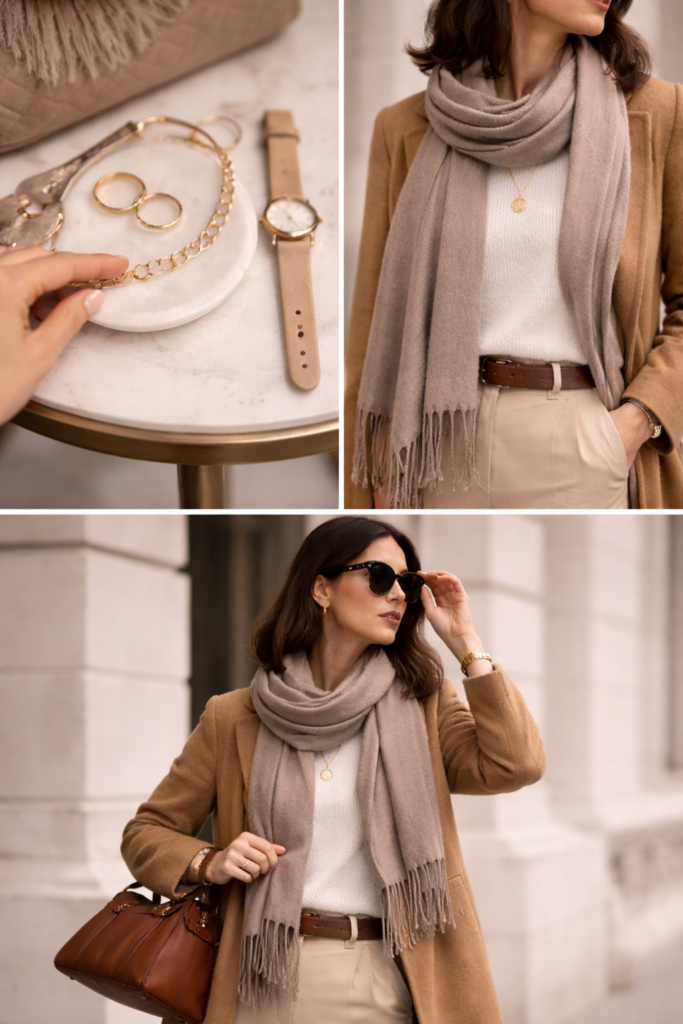
This is the step that completely changed how my outfits look. Before, I underestimated how important small details were.
The 10% is usually:
- A bag
- Jewelry
- Shoes
- A scarf
This is where the outfit comes alive. It doesn’t need to be bold, it just needs to be intentional.
I’ve learned that I don’t need to add more, I just need to add the right thing.
The Three Color Directions I Keep Repeating
After applying this rule for a while, I noticed that I naturally gravitate toward certain color combinations. These combinations make it easier for me to build outfits without overthinking.
They’re not complicated, but they’re reliable, and that’s what matters most in daily styling.
1. Warm Neutrals (Safe but Always Stylish)
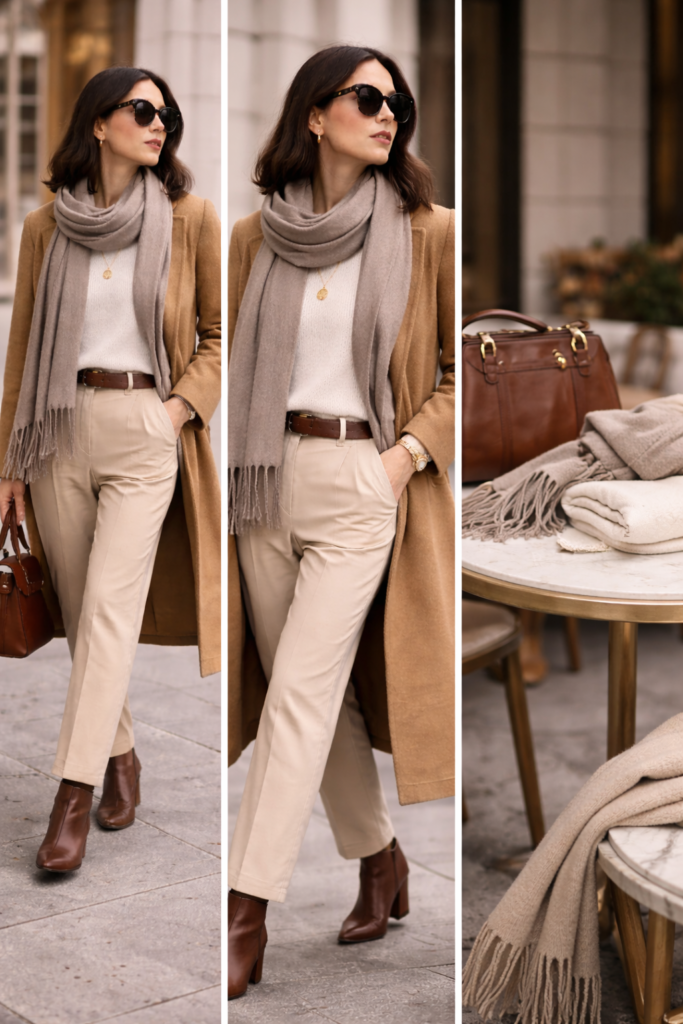
This is what I wear when I don’t want to think too much. On busy days or when I’m not in the mood to experiment, this combination always saves me.
Camel, cream, and brown tones naturally work together, so they follow the 60-30-10 rule almost automatically.
There’s no pressure to match perfectly because the tones are already in harmony.
- Camel becomes the dominant tone
- Cream softens the look
- Brown adds depth
What I like about this combination is that it never feels outdated. It’s simple, but it always looks intentional.
What I’ve learned:
If you’re unsure, start with warm neutrals. They’re the easiest way to apply this rule without overthinking.
2. Soft Light Tones (Clean and Elevated)
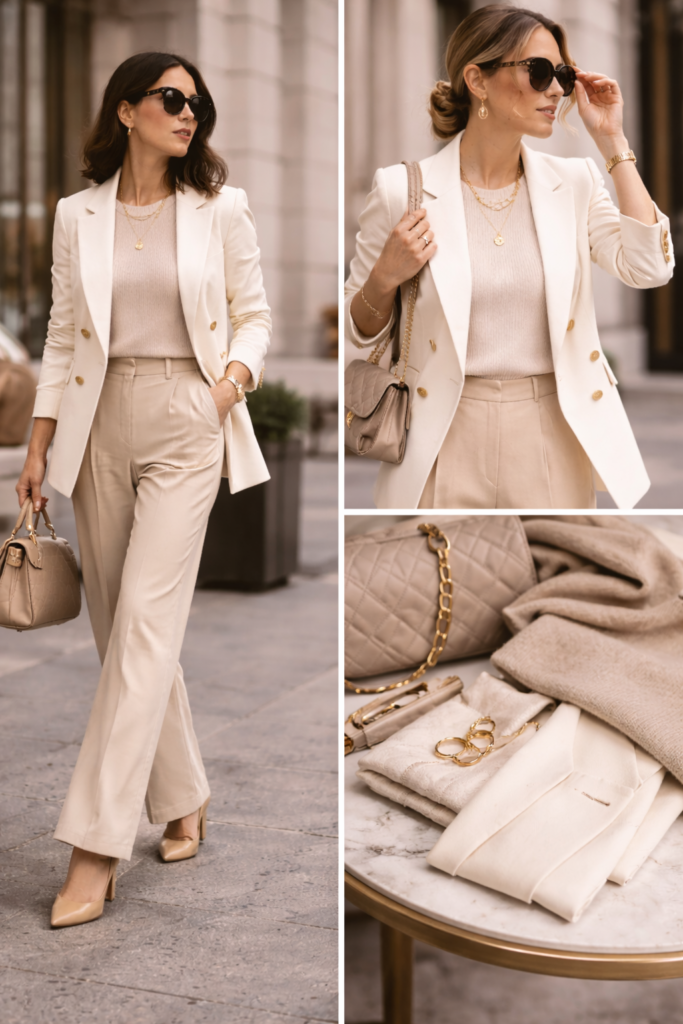
This is the combination I reach for when I want to feel a bit more polished without being too formal. It gives a clean, fresh look that feels effortless.
Ivory and beige create a soft base that looks refined, and adding a touch of gold brings just enough detail to make the outfit feel complete.
- Ivory feels fresh and structured
- Beige adds warmth
- Gold gives a subtle highlight
I often wear this when I want to look more put together, even if the outfit itself is very simple.
What I’ve learned:
The accent doesn’t need to be loud. Sometimes, the smallest detail makes the biggest difference.
3. Dark Base with a Rich Accent (Confident and Sharp)
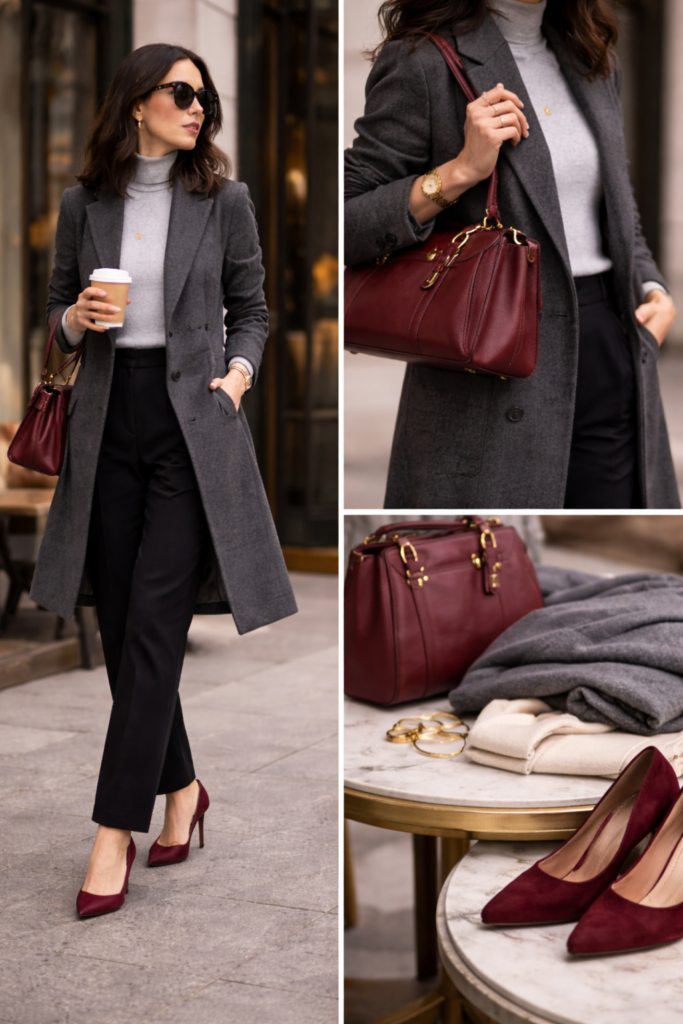
This is my go-to when I want something stronger and more defined. It’s perfect for days when I want to feel confident without looking overdone.
Using a dark base like charcoal creates a solid foundation, while grey softens the look and a deeper accent like burgundy adds personality.
- Charcoal gives structure
- Grey balances the tone
- Burgundy adds contrast
This combination feels bold but still controlled.
What I’ve learned:
If an outfit feels too plain, a rich accent color can completely transform it.
The Biggest Styling Mistakes I Used to Make
Looking back, most of my “bad outfits” came from a few simple habits that I didn’t realize were affecting my overall look.
1. I Tried to Make Everything Stand Out
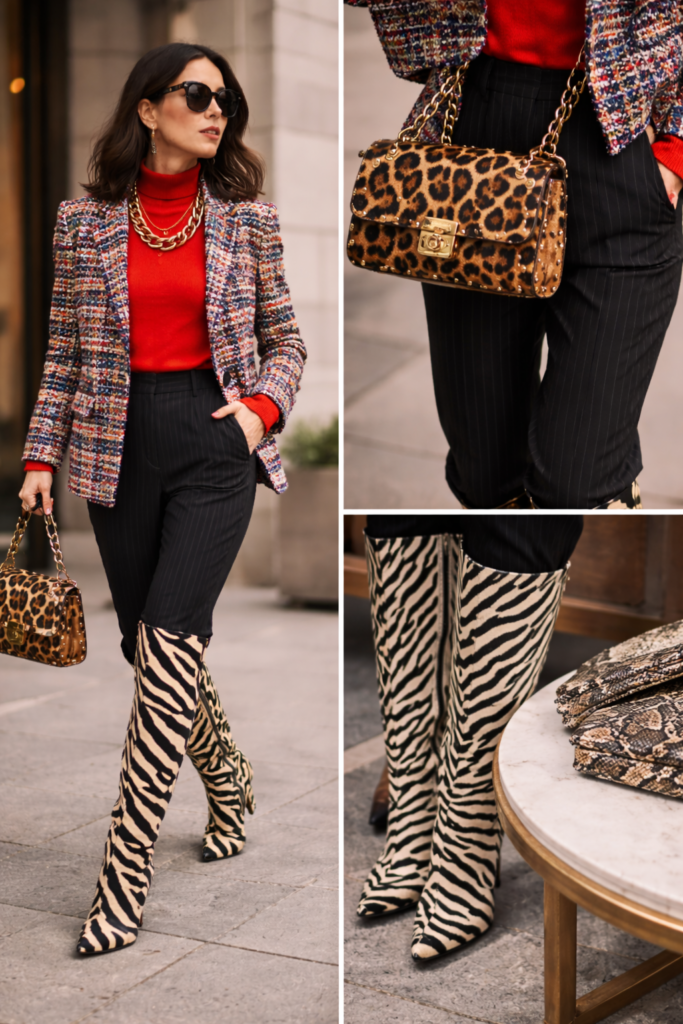
Too many “interesting” pieces don’t work together. It creates confusion instead of style.
Now, I let one piece lead—and everything else supports it.
2. I Ignored Small Details
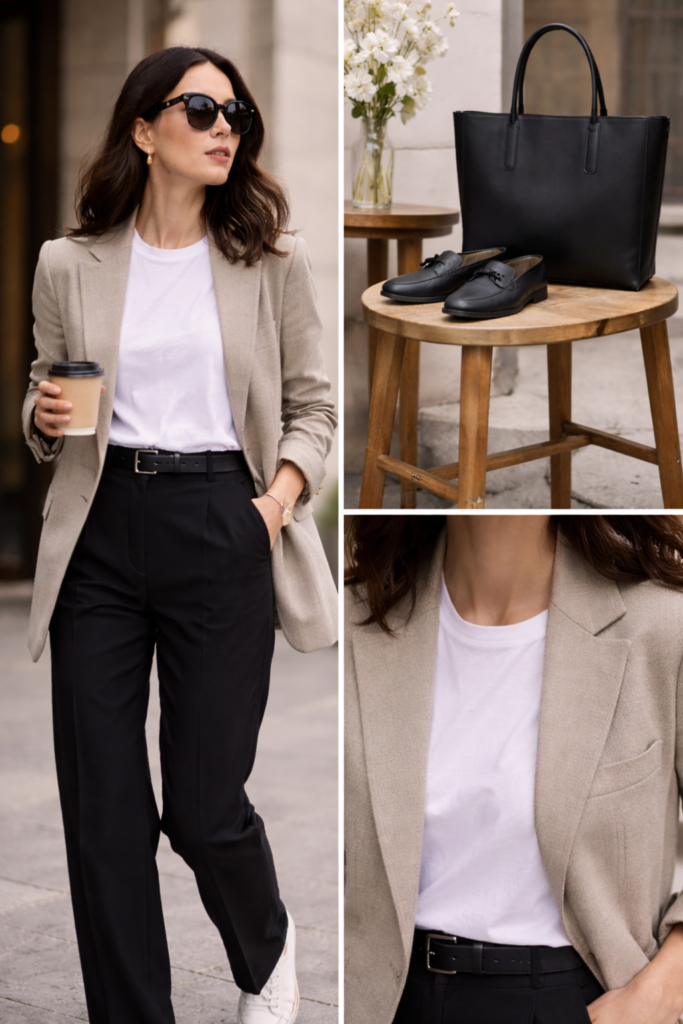
I used to think accessories didn’t matter much. But now I know that the smallest detail can change the entire outfit.
That 10% is what makes everything feel complete.
3. I Wore One Flat Color
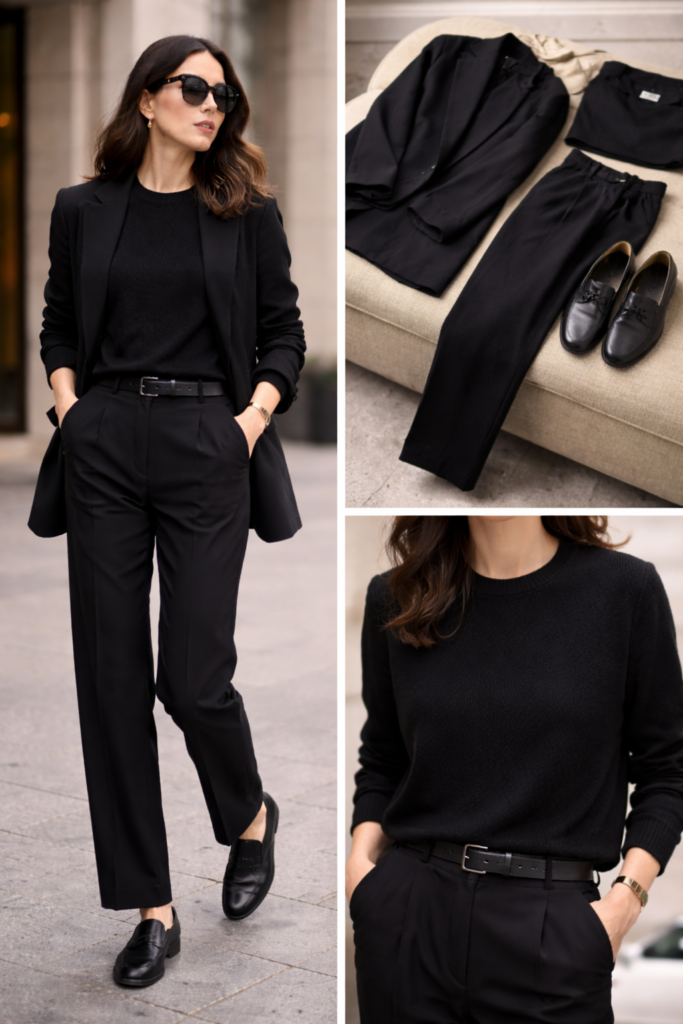
Wearing one tone can work, but without variation, it can feel flat and lifeless.
Adding even a small contrast makes the outfit more dynamic and interesting.
How This Rule Changed My Closet (Without Buying More Clothes)?
One of the biggest surprises for me was realizing that I didn’t need to shop more. I just needed to use what I already had differently.
By applying this rule, I started:
- Mixing pieces I never paired before
- Using accessories more intentionally
- Creating outfits that felt new without buying anything
Suddenly, my wardrobe felt bigger, even though nothing had changed.
My Personal Shortcut (What I Do Now Without Thinking)
At this point, I don’t actively think about the rule anymore, it just happens naturally.
If I had to simplify everything into one easy formula, it would be this:
- One color leads
- One color supports
- One detail completes
That’s it.
Final Thoughts
The 60-30-10 rule didn’t make me more fashionable, it made me more intentional.
And that’s what actually changed everything.
Now, getting dressed feels easier, faster, and more consistent. I don’t second-guess my outfits as much, and I don’t feel like something is missing anymore.
If you’ve ever felt like your outfit is “almost right” but not quite, try this approach once.
You might realize, like I did, that you already have everything you need, you just needed a better way to put it together.