
I’ve always believed that hair isn’t just an accessory—it’s a reflection of how we care for ourselves.
Over the years, I’ve tried countless haircare routines, experimented with different oils, serums, and products, and finally, I’ve developed a simple, structured haircare calendar that keeps my hair healthy, shiny, and manageable.
By breaking down care into daily, weekly, and monthly habits, I can enjoy beautiful hair without feeling overwhelmed.
Let me share my approach, including personal tips that have truly worked for me.
Contents
Daily Haircare Tips
Consistency is everything when it comes to hair health. I make it a point to follow a few simple steps every day, and the difference is remarkable.
1. Detangling
Starting my day by gently detangling my hair has been a game-changer. Using a wide-tooth comb, I start from the tips and slowly work my way up to the roots.
This prevents breakage and reduces hair fall.
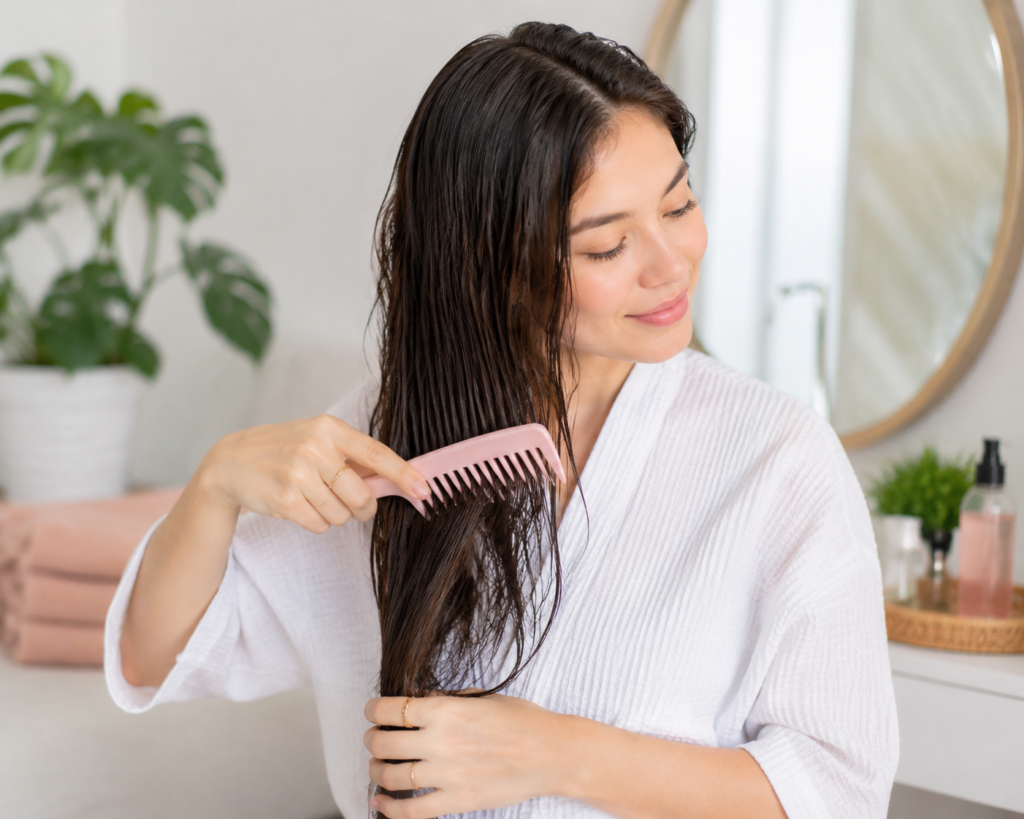
I’ve learned to avoid brushing wet hair harshly, as this can stretch and damage hair strands.
Personal Tip: Spritz a lightweight leave-in conditioner before detangling; it makes the process smoother and less stressful for your strands.
2. Protective Hairstyle
Wearing protective hairstyles daily can minimize damage from friction, pollution, and UV rays.
I often opt for loose buns, braids, or twists, especially on days when I know I’ll be busy.
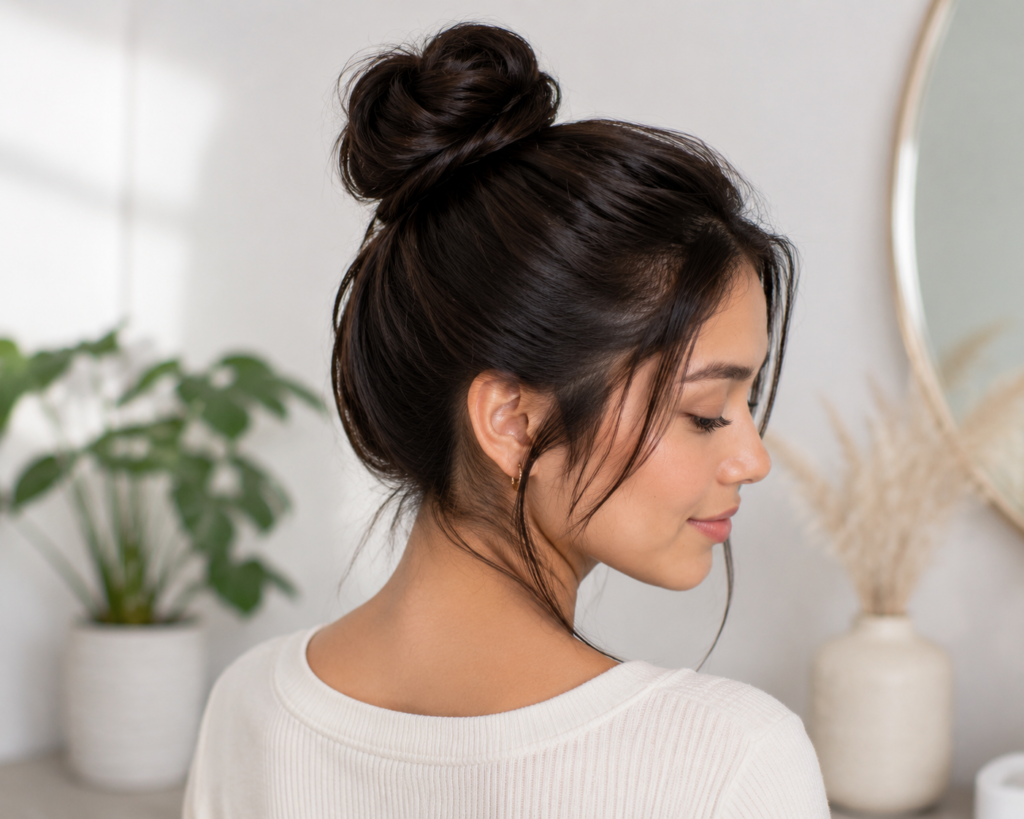
These styles keep my hair tucked away, reducing split ends and tangling.
Personal Tip: Avoid hairstyles that pull too tightly on your scalp—they can lead to hairline thinning over time.
3. Silk Pillowcase
Switching to a silk pillowcase has been one of the best decisions for my hair. Unlike cotton, silk reduces friction while I sleep, preventing breakage and frizz.

I’ve noticed my hair wakes up smoother and shinier, and tangles are minimal in the morning.
For added luxury, I sometimes lightly braid my hair before bed to enhance this effect.
4. Scalp Massage
Daily scalp massages help improve blood circulation and promote hair growth. I use my fingertips to gently massage my scalp in small circular motions for about five minutes every night.
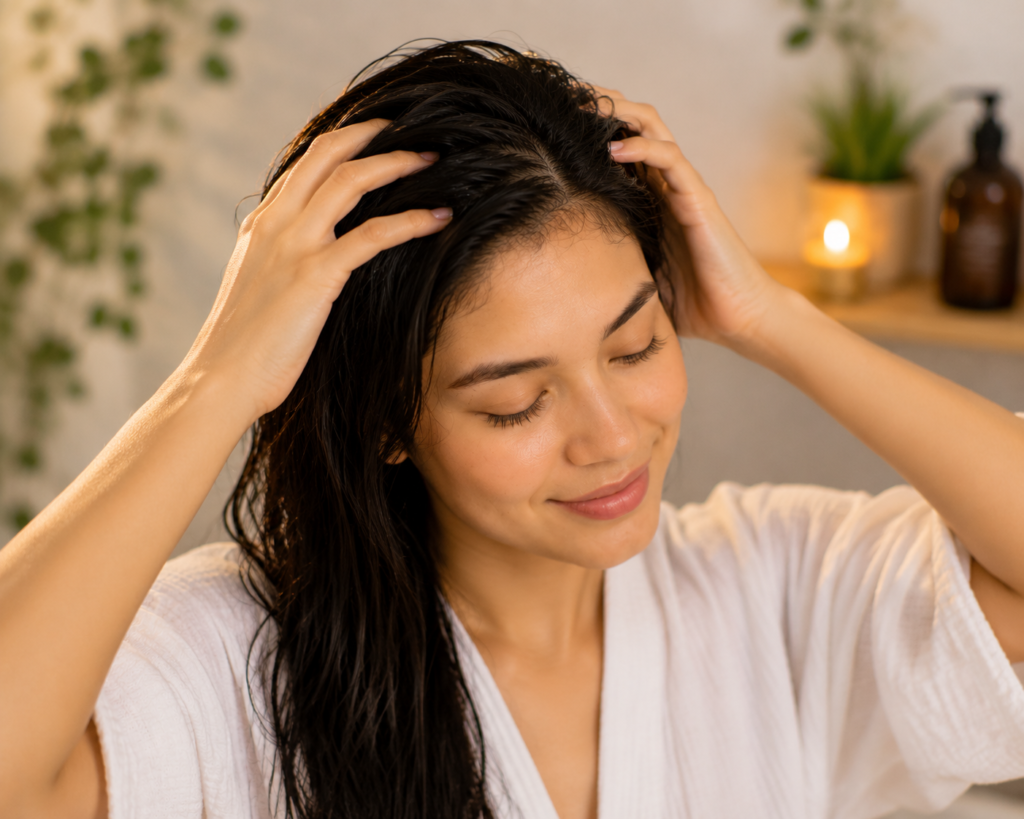
Occasionally, I use a few drops of hair oil to enhance the massage. This not only feels relaxing but also helps in distributing natural oils, keeping my scalp nourished.
Weekly Haircare Routine
Weekly treatments are crucial for deeper care and nourishment. I dedicate specific days for these treatments, which have made a noticeable difference in texture, strength, and shine.
1. Oiling
Oiling my hair once a week keeps it hydrated and strong. I usually warm a small amount of coconut or argan oil and gently massage it into my scalp and hair strands.
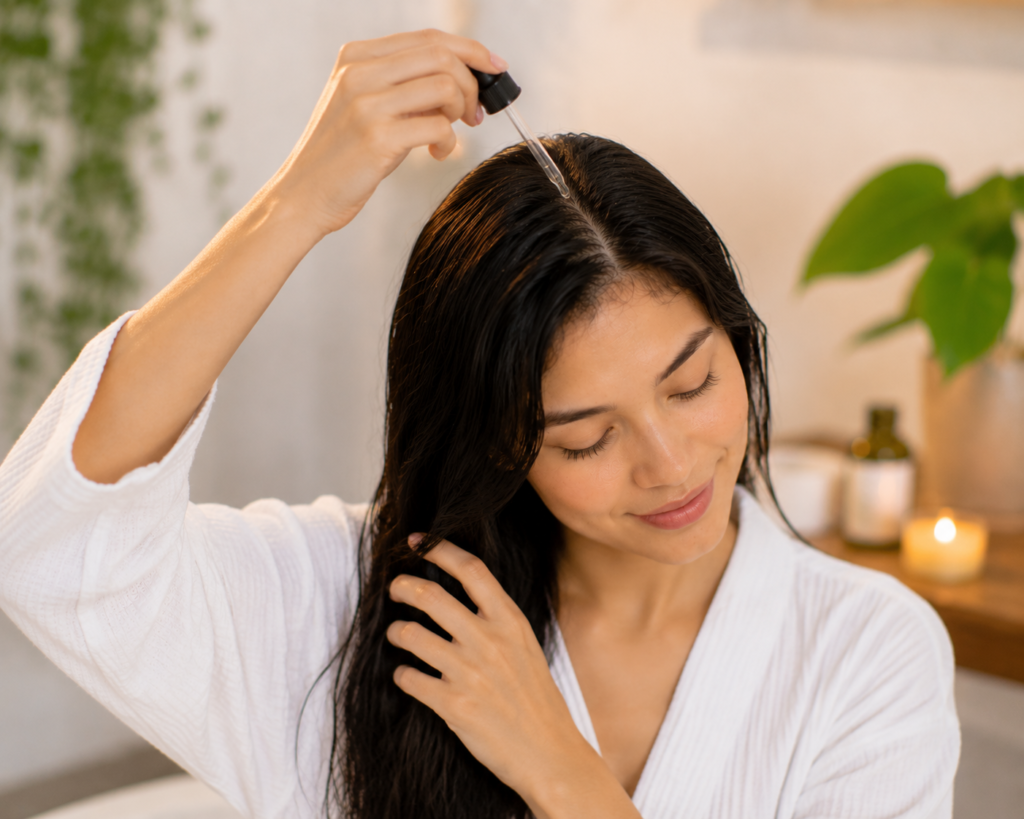
I leave it on for at least an hour (or overnight for maximum absorption), before washing it out.
Personal Tip: Focus on the ends, as they tend to be the driest and most prone to split ends.
2. Serum Application
Serums are my weekly booster for shine and smoothness. After washing my hair, I apply a few drops from mid-length to ends, avoiding the roots to prevent greasiness.
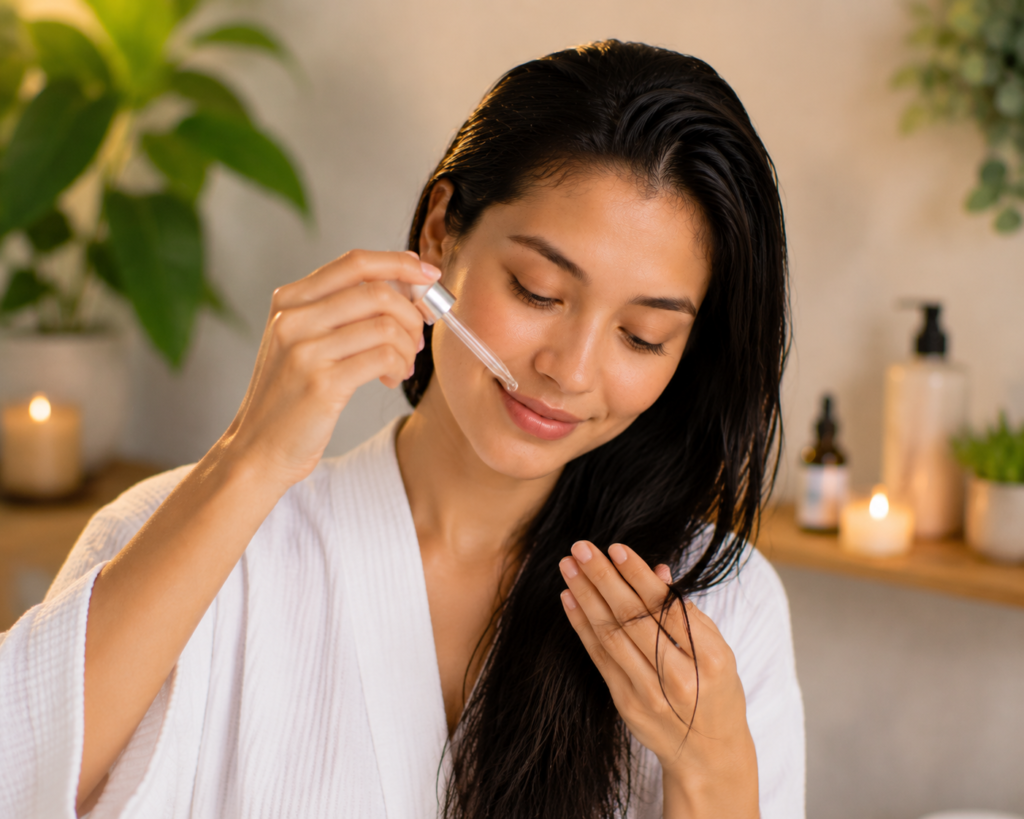
I’ve found that serums with natural oils and antioxidants help combat frizz and environmental damage.
Personal Tip: Don’t overapply; less is more when it comes to serum.
3. Shampooing
Weekly shampooing cleanses my scalp and hair, removing buildup from oils, products, and pollution.
I use a gentle, sulfate-free shampoo to avoid stripping natural oils.
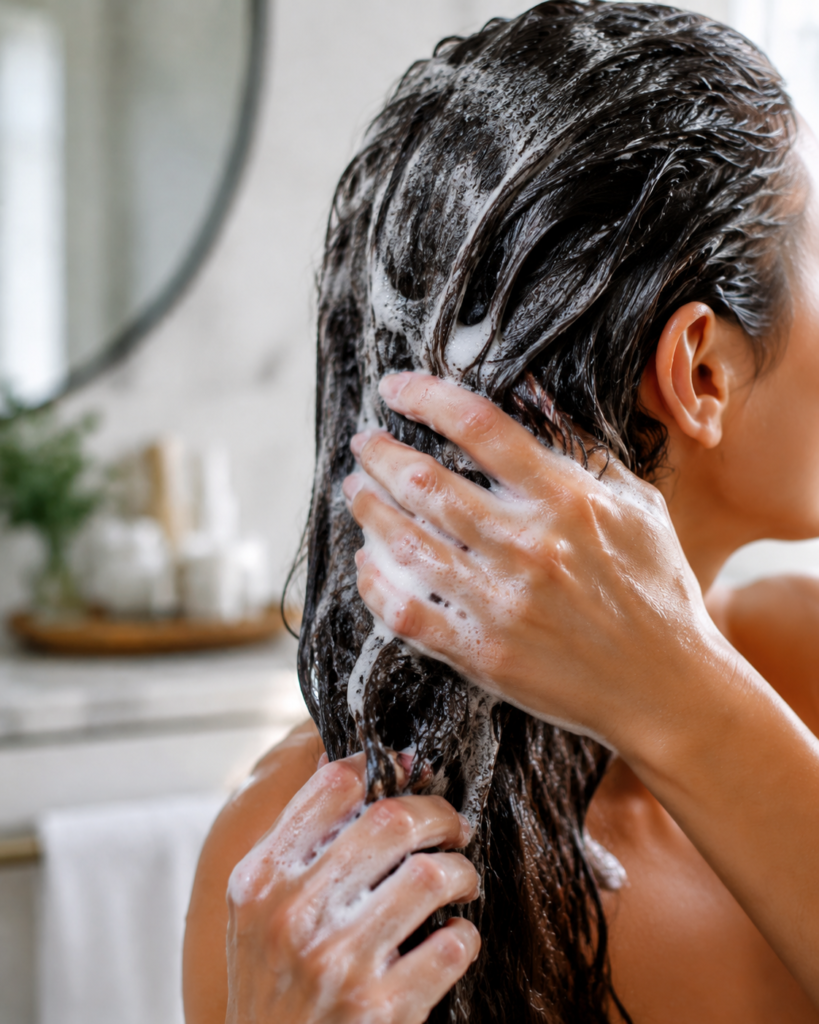
Personal Tip: Massage your scalp gently during shampooing; it boosts circulation and encourages hair growth. Alternate between clarifying and nourishing shampoos depending on your hair needs.
4. Mask or Conditioner Application
A weekly hair mask is my secret weapon for deep nourishment. I apply a mask rich in proteins and moisture, leaving it on for 20-30 minutes before rinsing.
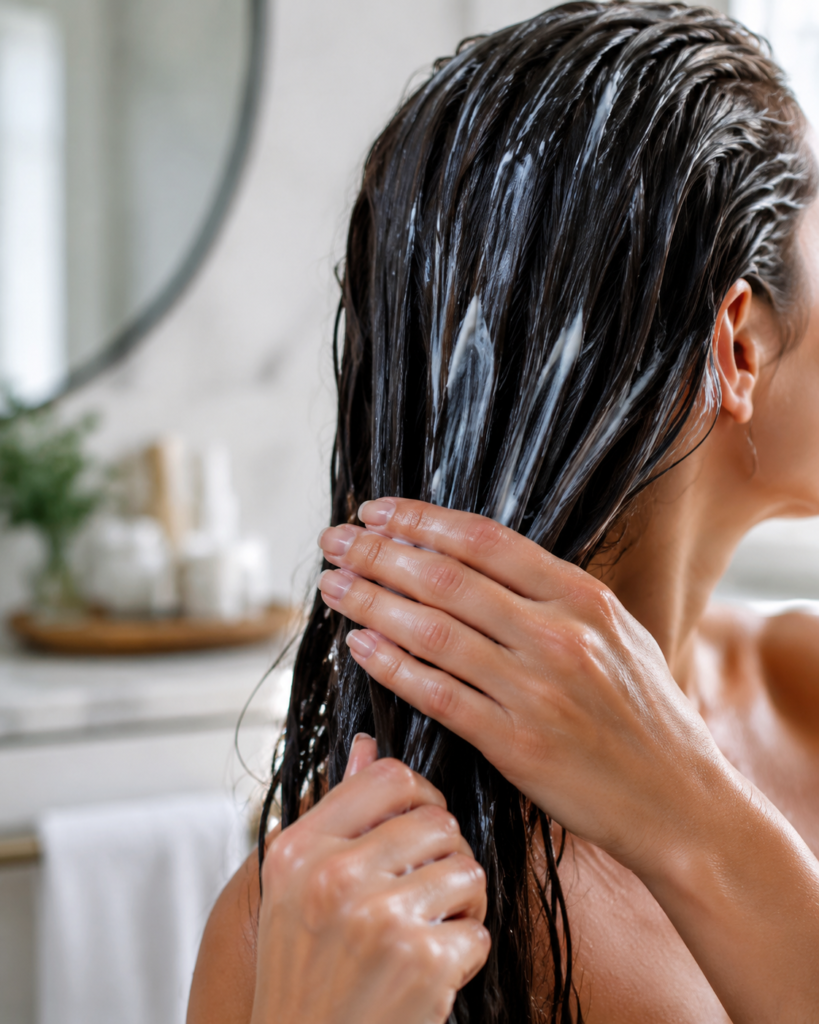
Conditioner alone isn’t enough for long-term health; masks rebuild and hydrate hair from within.
Personal Tip: Use a shower cap while the mask works—it traps heat and improves absorption.
Monthly Haircare Practices
Once a month, I take extra steps to give my hair long-term strength and manageability. These habits are less frequent but incredibly impactful.
1. Trimming
Trimming every 6-8 weeks helps maintain hair health by removing split ends and preventing further damage.
Even a small trim can make hair look thicker and fresher.
Personal Tip: Don’t wait until your hair is badly damaged—regular small trims are better than one drastic cut.
2. Deep Conditioning
Deep conditioning once a month works wonders for restoring moisture and elasticity. I use a mask specifically for my hair type, leave it on for 30-60 minutes, and sometimes add a little heat with a warm towel.
This process rejuvenates dull hair and adds softness and shine.
Personal Tip: Deep condition after a clarifying shampoo for maximum absorption.
3. Exfoliation
Just like our skin, our scalp benefits from exfoliation. Monthly scalp scrubs remove buildup, dead skin cells, and product residue.
I use gentle exfoliating scrubs or DIY sugar/oil blends. Exfoliation keeps the scalp healthy, reducing dandruff and promoting hair growth.
Personal Tip: Be gentle; scrubbing too hard can irritate the scalp.
4. Scalp Health Check
Once a month, I carefully inspect my scalp for dryness, irritation, or unusual hair loss. It’s easy to ignore minor changes, but early detection helps prevent bigger problems.
If needed, I adjust my routine, add treatments, or consult a professional.
Personal Tip: A healthy scalp is the foundation for healthy hair; never neglect it.
Personal Tips for Maintaining a Haircare Calendar
- Be Consistent but Flexible: Following a routine is key, but life happens. If you miss a day or week, don’t stress; get back on track without guilt.
- Listen to Your Hair: Pay attention to how your hair responds. Adjust your routine if it’s too dry, oily, or frizzy.
- Hydrate and Eat Well: Healthy hair starts from within. Drink plenty of water and eat a balanced diet with protein, vitamins, and omega-3s.
- Minimize Heat: Frequent blow-drying, curling, or straightening can damage hair. Use heat-protectant sprays and limit styling when possible.
- Choose the Right Products: Tailor shampoos, conditioners, and treatments to your hair type and concerns. I’ve learned that one-size-fits-all rarely works.